
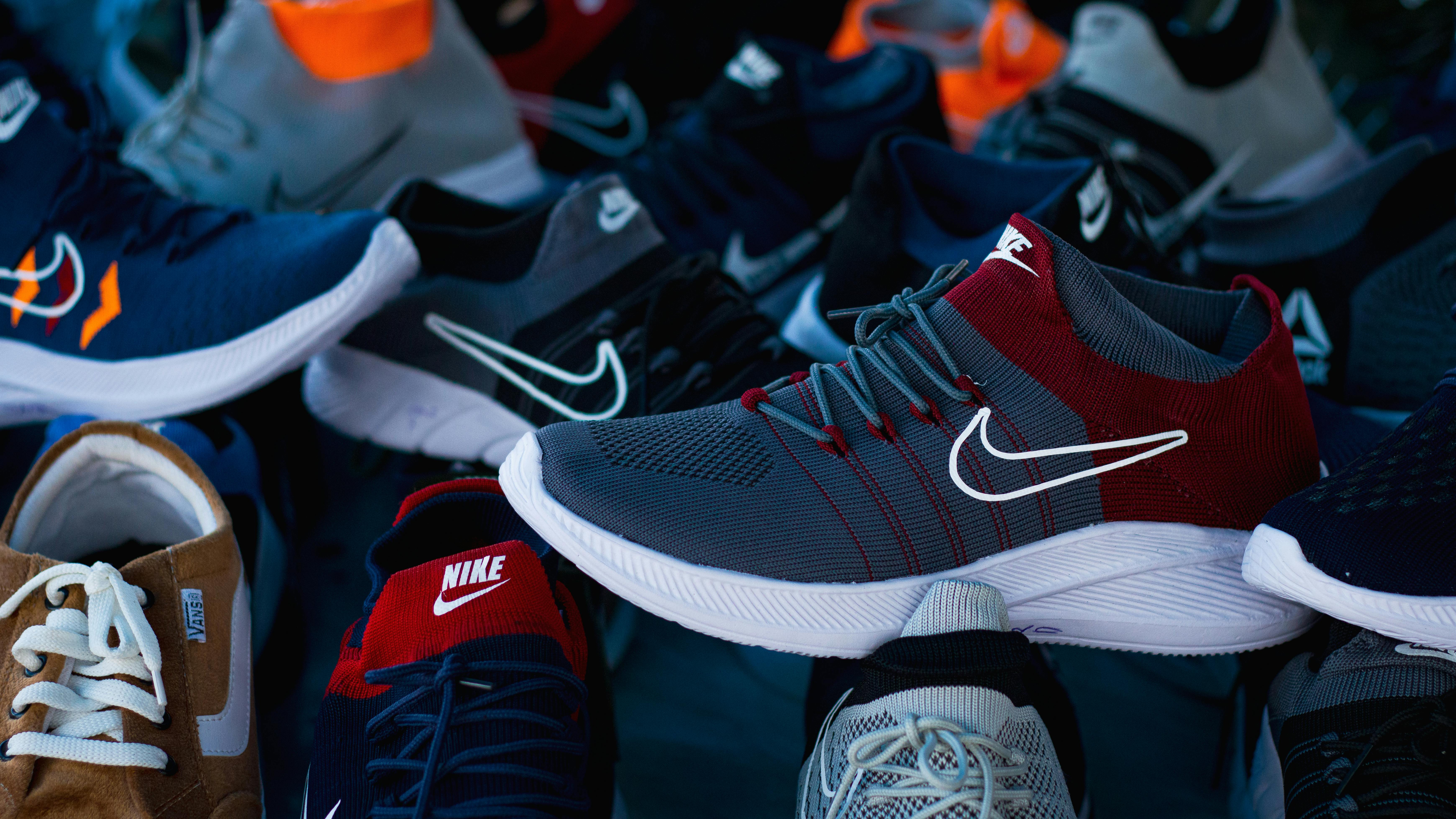
Most basketball shoes sold in the United States never see a hardwood floor. The category survived by becoming a casual one, and the design consequences are visible.
The playing population is small
The number of people playing organized basketball regularly is a fraction of the number who own basketball shoes. A category priced for performance cannot be sustained by that group alone.
Manufacturers responded by designing for the larger audience while keeping the performance language. The marketing describes traction and containment for buyers who need neither.
This is not unique to basketball. Hiking boots and motorsport jackets followed the same path decades earlier.
The silhouette carries meaning independently
High-top basketball shoes acquired cultural significance through music, film and playground style over several decades. That significance now travels without the sport attached.
A shape that reads instantly as a specific era is valuable to a brand in a way that court performance is not. Recognition sells to people who never saw the original games.
Retro releases exploit exactly this. The model returns unchanged because change would damage the reference.
Street use demands different engineering
Court shoes are built for short, sharp lateral movement on a clean, consistent surface. Sidewalk use is long-duration straight-line walking on abrasive concrete.
Outsole rubber compounds tuned for grip on polished wood wear quickly on pavement. Cushioning tuned for landing impact feels firm during a long walk.
Casual versions therefore use harder rubber, softer foam and less aggressive support structure. They look like the performance model and behave differently.
Ankle support became a marketing claim
The high collar is widely assumed to protect the ankle, and that assumption sells shoes. The evidence on whether collar height meaningfully prevents injury is far more mixed than the marketing implies.
What the collar reliably does is change sensory feedback and restrict part of the movement range. Whether that helps depends on the player and the movement.
For a casual wearer, the collar is a styling element. Treating it as protective equipment misreads what the shoe is now for.
The performance line still exists for a reason
Brands keep genuine on-court models because professional and collegiate visibility drives the casual business. The performance line is a credibility investment rather than a volume one.
Those models are typically lower, lighter and less decorated than their retail counterparts. Players prioritize weight and ground feel over the elements that sell in stores.
The gap between the two is now wide enough that a court model and its lifestyle version share little beyond a name. Both are honest about what they are, if the buyer reads carefully.