
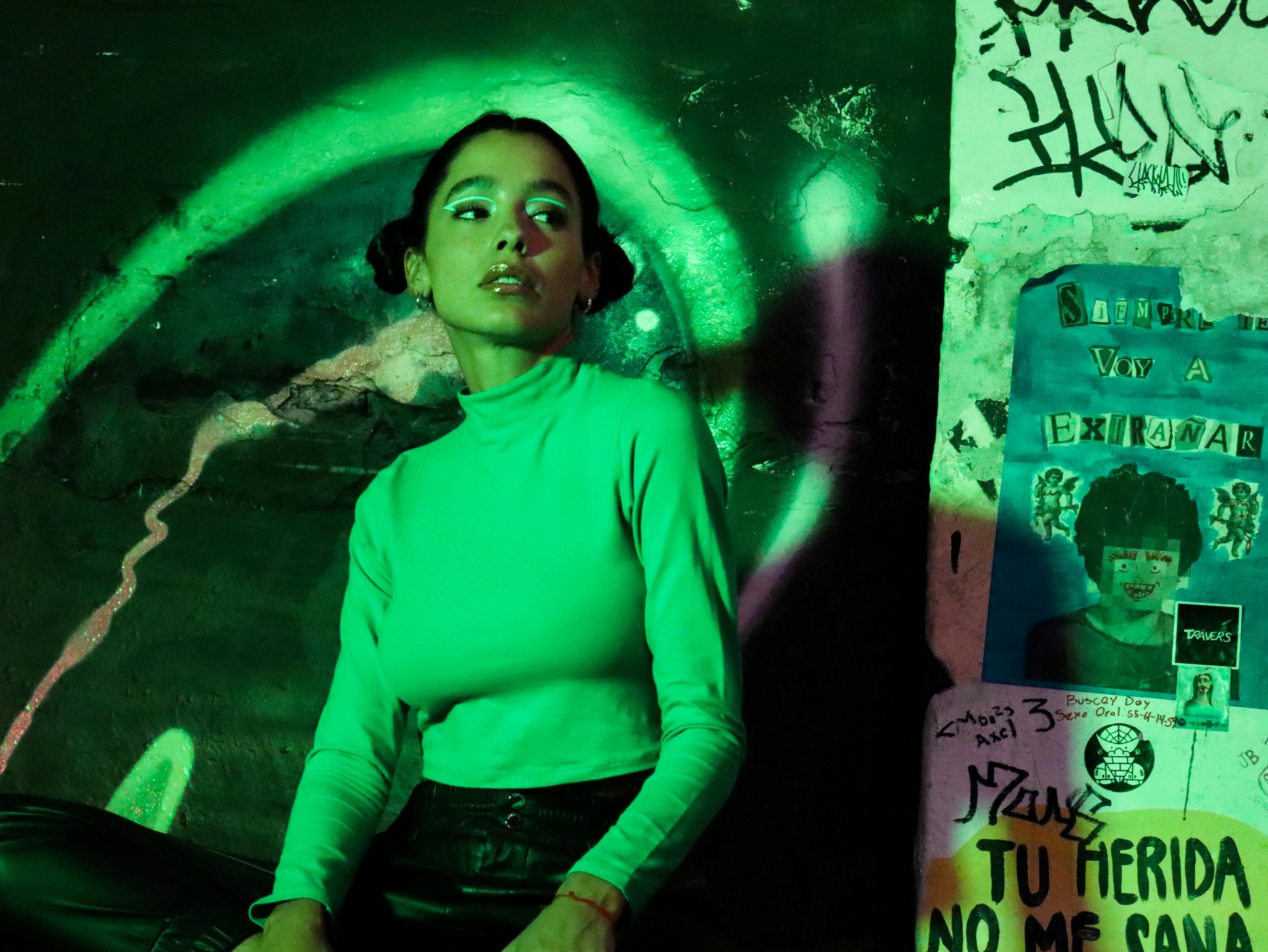
You thought you had it all figured out, didn't you? Those perfectly tailored cashmere sweaters, the whisper-soft silk blouses, the subtle gleam of minimalist jewelry. Quiet Luxury was the ultimate flex, a silent nod to impeccable taste and an overflowing bank account. But hold onto your designer loafers, because the fashion world just ripped up the rulebook. What's replacing that understated elegance is shocking, rebellious, and frankly, a little... ugly. And trust us, you're about to fall head over heels for it.
🔥 What's Happening Right Now
For the past few years, the fashion landscape has been dominated by a hushed, understated elegance known as Quiet Luxury. Think Loro Piana, The Row, Brunello Cucinelli – brands synonymous with impeccable craftsmanship, timeless silhouettes, and price tags that screamed wealth without ever uttering a word. It was an aesthetic built on discretion, quality over quantity, and a subtle flex that only those "in the know" could truly appreciate. But like all trends, its reign is coming to an end, dethroned by a rebellious, unapologetically individualistic movement we're calling the "Authentic Eccentricity" or the "Intentional Anti-Aesthetic."
This isn't just a pivot; it's a complete paradigm shift. The new wave isn't about blending in with expensive, anonymous pieces; it's about standing out with items that might traditionally be deemed "ugly," "weird," or even "grandpa chic." Imagine the antithesis of a perfectly curated, neutral-toned Instagram feed. This trend embraces clashing patterns, oversized silhouettes that border on shapeless, utilitarian garments, and footwear designed for comfort over conventional beauty. It's a defiant rejection of perfection, a celebration of personality, and a sartorial middle finger to the notion that fashion must be polished and pristine.
Why now? The cultural currents are undeniable. After years of global uncertainty and a pandemic that forced us all into sweatpants, comfort became non-negotiable. The desire for authenticity and self-expression has never been stronger, especially among Gen Z and younger millennials who are rejecting traditional beauty standards and embracing individuality. Social media, particularly TikTok, has become a hotbed for niche aesthetics like "Grandpacore," "Gorpcore," "Indie Sleaze Revival," and even "Mob Wife Aesthetic" – all of which, in their own ways, challenge the polished veneer of Quiet Luxury. These micro-trends, while distinct, share a common thread: a playful defiance of conventional taste, a willingness to be a little bit "off," and an emphasis on personal narrative over brand prestige.
The "ugly" aspect isn't truly about being unattractive; it's about re-evaluating what we consider beautiful. It’s about finding charm in the chunky, the worn, the unconventional. Think of the meteoric rise of Crocs, Birkenstock Bostons, and Salomon XT-6 sneakers – footwear once relegated to specific niches, now mainstream fashion statements. The oversized, often ill-fitting blazer paired with baggy cargo pants and a graphic tee; the vintage, moth-eaten-looking cardigan layered over a silk slip dress; the mismatched patterns and textures that somehow just *work*. This is the era of dressing for yourself, embracing your quirks, and curating a wardrobe that tells a story rather than just signaling status. It's less about the price tag and more about the perceived value of unique expression and comfort.
💡 Financial Impact
The seismic shift from Quiet Luxury to the Intentional Anti-Aesthetic isn't just changing wardrobes; it's reshaping the entire fashion economy, creating unprecedented commercial opportunities across the retail spectrum. For brands and retailers, this isn't a threat but a massive opening to innovate and capture new market share.
Firstly, the rise of "ugly" fashion democratizes high style. Quiet Luxury, by its very definition, was exclusionary due to its exorbitant price points. The Intentional Anti-Aesthetic, however, celebrates mixing high and low, vintage and new, designer and thrifted. This means a broader consumer base can participate, driving sales across multiple tiers. Fast fashion retailers are quick to adapt, churning out affordable versions of chunky loafers, oversized knitwear, and utilitarian cargo pants. Meanwhile, luxury brands are embracing the irony, releasing their own elevated versions of "ugly" footwear (think Balenciaga's chunky sneakers or Miu Miu's take on practical outerwear) and deconstructed silhouettes, often at even higher price points, capitalizing on the "ugly-chic" allure.
The secondhand and vintage markets are experiencing an unprecedented boom. Consumers are actively seeking unique, one-of-a-kind pieces that contribute to their individualistic aesthetic. This drives traffic to online resale platforms like Depop, The RealReal, and Vestiaire Collective, as well as local thrift stores and curated vintage boutiques. Brands are even launching their own resale programs or collaborating with vintage platforms to tap into this growing segment, recognizing the commercial value in sustainability and authenticity.
Specific product categories are seeing explosive growth. Footwear, in particular, is a major beneficiary. The demand for comfortable, often clunky, and unconventional shoes has skyrocketed, ranging from the aforementioned Crocs and Birkenstocks to hiking-inspired sneakers and robust boots. Knitwear is another powerhouse, with oversized, textured, and sometimes intentionally distressed cardigans and sweaters becoming must-haves. Outerwear is also trending towards the practical and utilitarian, with cargo jackets, vintage-inspired parkas, and gorpcore-style technical shells replacing sleek trench coats. Accessories are bolder, quirkier, and less about delicate minimalism, featuring chunky jewelry, statement socks, and unconventional bags.
This trend also fosters a new kind of brand loyalty. Consumers aren't just buying clothes; they're buying into a lifestyle that values comfort, self-expression, and a playful defiance of norms. Brands that can authentically tap into this ethos, whether through sustainable practices, unique collaborations, or a strong narrative, will thrive. The financial impact is a dynamic marketplace where creativity, comfort, and character are the new currencies, making fashion more accessible, diverse, and commercially vibrant than ever before.
💰 Best Options in Comparison
Ready to shed the subtle sheen of quiet luxury and embrace the bold, unapologetic comfort of the Intentional Anti-Aesthetic? This trend is all about mixing, matching, and making it your own, but we've curated some key pieces and approaches to get you started, ranging from a subtle nod to a full-blown embrace. Here are your best options to own this trend soon, broken down for maximum commercial value and styling versatility.
| Option / Item Type | Key Characteristics & Brands | Why It Works for the Anti-Aesthetic | Commercial Value & Styling Tip |
|---|---|---|---|
| The "Grandpa" Cardigan | Oversized, chunky knit, often with a V-neck or shawl collar. Think vintage Pendleton, contemporary brands like Acne Studios, or even fast-fashion interpretations. | Directly contrasts sleek tailoring. Adds warmth, texture, and a touch of nostalgic charm. Embraces comfort and a lived-in feel. | High: Versatile layering piece. Pair over a slip dress for an unexpected contrast, or with baggy jeans and a white tee. Drives sales across luxury (designer knits), mid-tier (Banana Republic, J.Crew), and vintage markets. |
| Chunky Loafers / Derby Shoes | Platform soles, exaggerated proportions, often in polished leather or patent. Brands like G.H. Bass Weejuns, Dr. Martens, Vagabond, or even luxury versions from Prada or Gucci. | A subversive take on a classic. Adds an unexpected weight and groundedness, rejecting delicate footwear. Blends formal with rebellious. | Very High: A hero item for the trend. Elevates casual outfits (jeans, cargo pants) and adds edge to more tailored looks. Accessible across price points, ensuring broad appeal and high conversion rates. |
| Utilitarian Cargo Pants / Workwear Trousers | Baggy fit, multiple pockets, durable fabrics like cotton twill or ripstop. Brands like Carhartt WIP, Dickies, or fashion-forward takes from brands like Stussy, Fear of God Essentials, or Zara. | Replaces tailored trousers with functional, relaxed silhouettes. Embraces practicality and a non-glamorous aesthetic. | High: Core bottom for the trend. Can be dressed up with a silk top and chunky loafers, or down with a graphic tee and sneakers. Strong appeal to both men's and women's markets, driving volume sales. |
| Gorpcore-Inspired Footwear | Technical sneakers, hiking sandals, or clogs designed for comfort and function. Examples: Salomon XT-6, Hoka Clifton, Birkenstock Boston Clogs, Crocs Classic Clogs. | Prioritizes extreme comfort and functionality over traditional aesthetic beauty. Introduces a "deliberately ugly" element that signals anti-fashion. | Extremely High: Often the gateway drug to the trend. These items consistently sell out. Pair with anything from tailored pants to dresses for an ironic, comfortable statement. Drives impulse buys and brand loyalty. |
| Oversized Outerwear (e.g., Bomber, Varsity, Utility Jacket) | Exaggerated fit, often with interesting textures, patches, or a worn-in feel. Think vintage bomber jackets, collegiate varsity jackets, or technical utility jackets from brands like Arc'teryx, Patagonia, or The North Face. | Replaces sleek coats with a more relaxed, often nostalgic or performance-oriented silhouette. Adds an element of deliberate "bagginess" and casualness. | High: A statement piece that can define an outfit. Excellent for layering. Appeals to consumers looking for unique, often gender-neutral, outerwear. Boosts sales in both new and secondhand markets. |
| Statement Socks & Accessories | Bold patterns, quirky graphics, or athletic socks worn deliberately exposed. Novelty scarves, chunky beanies, or unexpected jewelry. | Small but impactful details that inject personality and break up conventional outfits. Embraces playful individuality. | Medium-High: High-margin add-on sales. An accessible entry point for those hesitant to go full anti-aesthetic. Encourages multiple purchases and personal branding. |
Each of these options provides a distinct entry point into the Intentional Anti-Aesthetic. The beauty of this trend is its flexibility; you don't have to overhaul your entire wardrobe. Start with a single "ugly" accessory or a pair of chunky shoes, and see how it transforms your existing pieces. The commercial value lies in the sheer breadth of products that fit this aesthetic, from high-end designer pieces to affordable thrift store finds, ensuring that every consumer can find their unique way to embrace the future of fashion.
Conclusion
The fashion world is in constant motion, a beautiful, chaotic dance between tradition and rebellion. For a long moment, Quiet Luxury reigned supreme, offering an elegant, whispered promise of sophistication. But as the cultural tide shifts, so too does our collective sartorial desire. The emergence of the Intentional Anti-Aesthetic – a trend embracing comfort, individuality, and a playful defiance of conventional beauty – is not merely a passing fad; it's a powerful statement about authenticity in an increasingly curated world.
This "ugly" fashion, far from being a downgrade, is an upgrade to self-expression. It invites us to break free from the shackles of perfection, to mix what we love, to wear what feels good, and to tell our own stories through our clothes. It's an economic powerhouse, democratizing style and opening up incredible opportunities for brands across all price points, from luxury houses ironically embracing the quirky to vintage markets thriving on unique finds.
So, as you inevitably find yourself drawn to that oversized cardigan, those chunky loafers, or those surprisingly comfortable "ugly" sneakers, remember that you're not just buying a piece of clothing. You're participating in a revolution. You're choosing comfort over constraint, personality over prestige, and authenticity over aspiration. The reign of Quiet Luxury is over, and the era of dressing boldly, unconventionally, and unapologetically for yourself has just begun. And yes, you'll own it soon – and you'll love every perfectly imperfect stitch of it.