
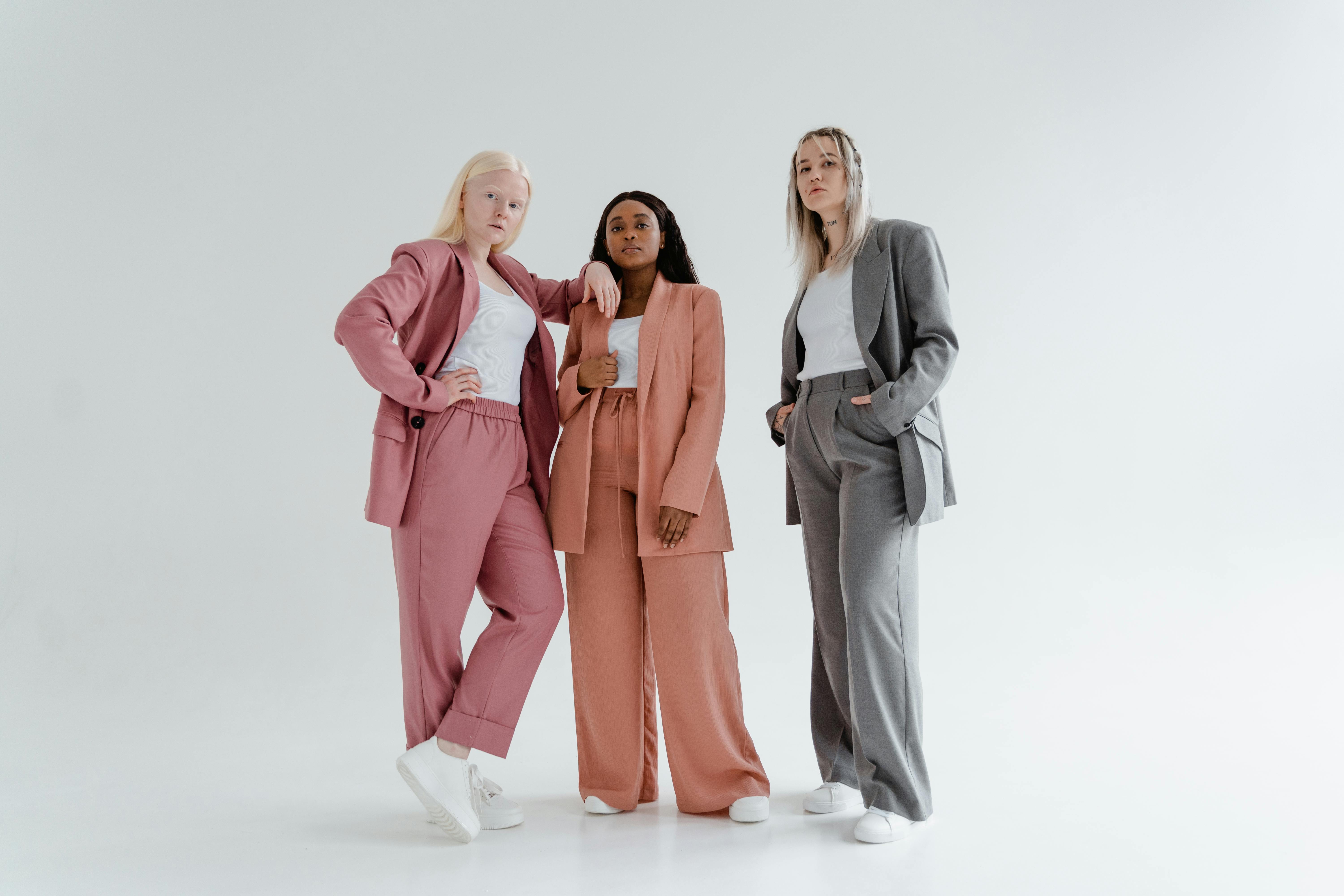
Dive into the future of luxury fashion in 2026, where conscious choices meet unparalleled elegance. Discover how to build an investment-worthy, ethical wardrobe with sustainable designer brands, eco-friendly materials, and personal styling services that elevate your style and impact. Maximize your fashion ROI with mindful consumption and timeless pieces.
Introduction to the Topic
Welcome to 2026, where the world of women's fashion has undergone a profound transformation. The buzzwords of yesterday – 'quiet luxury' and 'minimalism' – have elegantly evolved into a powerful new paradigm: Conscious Luxury. This isn't just a trend; it's the definitive movement shaping how discerning consumers approach their wardrobes, demanding both exquisite craftsmanship and unwavering ethical integrity. At fashioncoders.com, we believe true luxury in 2026 is no longer solely about brand prestige or price tag; it's about the story behind each garment, its environmental footprint, and its social impact. It's about investing wisely in pieces that not only elevate your personal style but also align with your values and offer genuine long-term value.
In this comprehensive guide, we'll navigate the sophisticated landscape of conscious luxury, helping you understand how to identify investment-worthy fashion, explore leading sustainable brands, leverage innovative resale platforms, and even engage expert personal styling services to curate a truly ethical and timeless wardrobe. Get ready to redefine your relationship with fashion, making choices that are as beautiful as they are responsible.
Backgrounds & Facts
The journey towards Conscious Luxury has been years in the making, accelerated by growing global awareness of climate change, social inequality, and the environmental toll of fast fashion. By 2026, consumers are more informed and empowered than ever. Reports from the Global Fashion Agenda indicate that sustainable practices are no longer a niche concern but a mainstream expectation, with a significant portion of luxury consumers actively seeking out brands with transparent ethical sourcing and eco-friendly production methods.
Key drivers of this shift include:
- Consumer Demand for Transparency: Shoppers want to know where their clothes come from, who made them, and what materials were used. Blockchain technology is increasingly being adopted by luxury brands to provide immutable records of a garment's journey from raw material to retail, offering unparalleled traceability.
- Material Innovation: Breakthroughs in bio-based textiles (e.g., mushroom leather, lab-grown silk), recycled materials (e.g., ocean plastic regenerated nylon, recycled cashmere), and low-impact dyeing processes have made sustainable luxury not only possible but desirable. These materials often offer superior performance and unique aesthetics.
- Circular Economy Principles: The fashion industry is embracing 'circularity' – designing products for longevity, repairability, and recyclability. This includes robust take-back programs, in-house repair services, and the flourishing market for luxury resale and rental.
- Social Impact & Fair Labor: Ethical treatment of workers across the supply chain, fair wages, and safe working conditions are non-negotiable for conscious luxury brands. Certifications from organizations like Fair Trade and SA8000 are increasingly sought after by consumers.
- Investment Mindset: The disposable fashion mentality is being replaced by an investment mindset. Consumers are looking for high-quality, durable pieces that retain their value, can be passed down, or command a strong price on the luxury resale market. This focus on longevity reduces waste and provides a better return on investment over time.
The luxury market, once slow to adapt, is now at the forefront of this evolution, understanding that true exclusivity in 2026 comes from rarity of resources, artisanal skill, and a commitment to a better future.
Expert Opinion / Analysis
To truly grasp the essence of Conscious Luxury in 2026, we consulted with leading voices in sustainable fashion and luxury styling.
“The term ‘investment piece’ has fundamentally changed,” explains Dr. Anya Sharma, a renowned fashion sustainability consultant. “It’s no longer just about a designer label holding its value. In 2026, an investment piece is one crafted with exceptional quality from sustainable, often innovative, materials, produced ethically, and designed with timeless appeal. It's a garment you expect to wear for decades, not seasons, and one that contributes positively to the world.”
Celebrity stylist and conscious wardrobe curator, Isabella Rossi, emphasizes the role of personalized guidance: “Many of my clients want to transition to a more ethical wardrobe but feel overwhelmed. That’s where a personal stylist specializing in conscious fashion comes in. We help them identify their core style, audit their existing wardrobe for longevity, and strategically fill gaps with truly sustainable luxury items, whether new or pre-owned. It’s about building a cohesive, impactful wardrobe that reflects their values without sacrificing elegance.” Rossi notes that her services now frequently include vetting brands for their sustainability credentials and even facilitating luxury consignment to give old pieces a new life.
Industry analyst, Mark Chen from 'FutureFashion Insights', points to the evolving brand landscape: “Major luxury houses are now heavily investing in R&D for sustainable materials and circular business models. We’re seeing more brands achieving B Corp certification, publishing detailed impact reports, and offering repair services as standard. The challenge is distinguishing genuine commitment from greenwashing, which is why third-party certifications and transparent supply chains are paramount for the conscious consumer.” Chen predicts a further consolidation of luxury brands that genuinely embrace these principles, making it easier for consumers to make informed choices.
The consensus is clear: Conscious Luxury is not a fleeting moment but a foundational shift. It’s about a mindful approach to consumption, where every purchase is a deliberate choice for quality, ethics, and enduring style.
💰 Best Options in Comparison (VERY IMPORTANT)
Building a conscious luxury wardrobe in 2026 involves strategic choices across several key areas. Here, we compare the best options available to help you make informed decisions that align with your style, values, and budget.
1. Leading Conscious Luxury Brands: The New Standard Bearers
Investing in new pieces from brands committed to sustainability and ethics is the cornerstone of a conscious wardrobe. These brands often lead in material innovation, fair labor practices, and circular design principles.
- Stella McCartney: A pioneer in luxury sustainability, McCartney continues to set the bar with her unwavering commitment to cruelty-free materials (no leather, fur, or feathers) and extensive use of recycled and organic fabrics. Her designs are iconic, timeless, and consistently push the boundaries of eco-innovation.
- Gabriela Hearst: Known for her exquisite craftsmanship and natural fibers, Hearst's brand is a leader in using low-impact materials like organic cashmere, linen, and recycled nylon. She champions transparency and has achieved carbon neutrality, making her a go-to for sophisticated, investment-worthy pieces.
- Pangaia: While perhaps not 'luxury' in the traditional sense, Pangaia represents the future of material science and ethical production, offering high-quality, innovative wardrobe staples made from bio-based and recycled materials. Their pieces are designed for longevity and have become a favorite for those seeking conscious basics.
- Patou: Under Guillaume Henry, Patou has embraced a joyful, responsible approach to luxury. They focus on local production, certified materials, and a commitment to reducing their environmental footprint, offering playful yet elegant garments designed to be cherished.
When choosing these brands, look for certifications (GOTS, GRS, B Corp), detailed impact reports, and clear statements on their ethical sourcing and production. These are not just purchases; they are investments in style and a better future.
2. Curated Luxury Resale & Rental Platforms: Extending Life Cycles
Embracing the circular economy through luxury resale and rental platforms is arguably one of the most impactful ways to build a conscious wardrobe. It reduces waste, extends the life of exquisite pieces, and often provides access to designer items at a more accessible price point.
- The RealReal: A giant in authenticated luxury consignment, The RealReal offers a vast selection of pre-owned designer clothing, handbags, and accessories. Their rigorous authentication process ensures peace of mind, and their focus on circularity makes them a key player in sustainable luxury.
- Vestiaire Collective: Known for its global community and peer-to-peer selling model, Vestiaire Collective has a strong emphasis on sustainability, encouraging users to extend the lifecycle of their fashion. They offer various authentication levels and a curated selection of high-end items.
- Fashionphile: Specializing in ultra-luxury handbags and accessories, Fashionphile offers a meticulously authenticated selection of iconic pieces. Their buy-back program further promotes circularity, allowing you to refresh your collection responsibly.
- Rent the Runway & Nuuly (Luxury Tiers): For special occasions or to experiment with new styles without the commitment, luxury rental services are gaining traction. They offer access to high-end designer dresses, separates, and accessories, promoting a 'use-not-own' model that significantly reduces consumption.
These platforms are excellent for finding unique, vintage, or rare investment pieces, as well as for giving your own pre-loved luxury items a second life.
3. Bespoke Conscious Wardrobe Styling & Audit Services: Personalized Transformation
For those seeking a truly tailored approach to conscious luxury, engaging a professional stylist specializing in ethical fashion is invaluable. These services go beyond simple outfit creation; they involve a holistic approach to your wardrobe and consumption habits.
- The Conscious Closet Audit: Many stylists offer services to review your existing wardrobe, identify investment pieces, suggest repairs, and help you declutter responsibly. This often includes identifying gaps and creating a shopping list focused on sustainable and ethical brands.
- Personal Shopping for Ethical Brands: Stylists can guide you through the maze of sustainable luxury brands, helping you discover pieces that fit your style, body type, and ethical criteria. This saves time and ensures your purchases are truly aligned with your values.
- Capsule Wardrobe Creation: A popular service focused on building a versatile, high-quality, and ethical capsule wardrobe. This minimizes impulse buys and maximizes styling options with fewer, better pieces.
- Virtual Styling & Digital Wardrobe Planning: Leveraging AI and digital tools, some stylists offer virtual consultations, creating digital lookbooks and helping you visualize how new conscious pieces integrate with your existing wardrobe.
Look for stylists with a proven track record in sustainable fashion, certifications in ethical styling, and a deep understanding of material science and brand transparency. Investing in a stylist is an investment in long-term, mindful style.
Comparison Table: Navigating Your Conscious Luxury Options
| Feature | Leading Conscious Luxury Brands | Curated Luxury Resale Platforms | Conscious Wardrobe Styling Services |
|---|---|---|---|
| Primary Benefit | New, ethically produced luxury garments & accessories | Access to authenticated pre-owned luxury; promotes circularity | Personalized guidance for building an ethical, investment-worthy wardrobe |
| Investment Value | High, long-term asset due to quality, ethics, and timeless design | Excellent, often appreciating in value, extends product lifespan | Maximizes existing wardrobe, prevents costly impulse buys, educates on value |
| Sustainability Impact | Focus on cradle-to-grave ethics, material innovation, reduced footprint | Significantly reduces waste, extends product life, lowers demand for new production | Promotes mindful consumption, educates on sustainable choices, reduces overall consumption |
| Customization | Limited to brand offerings; some bespoke options at highest tiers | Varies by availability of specific items; unique finds are common | Highly personalized, bespoke plans tailored to individual style, body, and values |
| Cost Range | Premium to Ultra-Luxury | Mid-to-Premium (often 30-70% off retail); rental services vary | Varies significantly by service, duration, and stylist experience (hourly to package rates) |
| Ideal For | Building foundational ethical pieces, supporting innovation, high-end gifting | Finding unique items, accessing luxury at a discount, sustainable shopping, selling pre-owned items | Complete wardrobe overhaul, expert advice, navigating sustainable market, capsule building |
| Key Players | Stella McCartney, Gabriela Hearst, Patou, Pangaia | The RealReal, Vestiaire Collective, Fashionphile, Rent the Runway | EcoChic Wardrobe, Sustainable Style Studio, [Local/Online Certified Stylists] |
Outlook & Trends
The future of Conscious Luxury is dynamic and exciting. For 2026 and beyond, we anticipate several key trends that will further solidify this movement:
- Hyper-Transparency & Digital Passports: Expect every luxury item to come with a digital product passport, likely powered by blockchain, detailing its entire lifecycle, material composition, ethical certifications, and even repair history. This will empower consumers with unprecedented information and combat counterfeiting.
- Advanced Bio-Materials & Lab-Grown Textiles: Research and development will continue to yield incredible innovations in sustainable materials, moving beyond organic cotton and recycled polyester to widespread adoption of lab-grown leather, silk, and even 'smart' textiles that adapt to environmental conditions.
- Personalized Circular Services: Brands will offer more integrated circular services, from in-house repair and alteration hubs to personalized buy-back programs that offer credit for future purchases, creating a seamless closed-loop system for their products.
- AI-Powered Sustainable Styling: Artificial intelligence will play a larger role in helping consumers build conscious wardrobes, offering personalized recommendations based on existing items, ethical preferences, and even predicting resale value. Virtual try-on technologies will also become more sophisticated, reducing returns and promoting mindful purchases.
- The Rise of 'Phygital' Luxury: Physical luxury items will increasingly come with digital twins (NFTs), offering proof of ownership, authenticity, and potentially granting access to exclusive brand experiences in the metaverse. This blends the tangible and digital worlds of luxury.
- Investment in Artisanal Skills & Local Production: A renewed appreciation for artisanal craftsmanship and local production will see luxury brands investing more in preserving traditional skills and supporting local economies, further enhancing the ethical narrative of their products.
Conscious Luxury is not just about reducing harm; it's about creating positive impact, fostering innovation, and redefining what it means to own something truly precious and meaningful.
Conclusion
In 2026, Conscious Luxury is no longer an aspiration but an achievable reality for every discerning woman. It’s an invitation to embrace a wardrobe that is not only exquisitely stylish and high-quality but also deeply aligned with your personal values. By choosing ethical designer brands, leveraging the power of luxury resale and rental platforms, and enlisting the expertise of conscious wardrobe stylists, you can build a collection of investment-worthy pieces that tell a story of responsibility, beauty, and enduring elegance.
This movement is about more than just fashion; it’s about mindful consumption, environmental stewardship, and social justice. It’s about making choices that resonate long after the initial purchase, contributing to a better world while looking impeccably chic. The future of fashion is conscious, and it’s waiting for you to unlock its full potential. Start your journey today – invest in style that truly lasts, for yourself and for the planet.