Many of us have. We chased the perfect 10-step K-beauty routine, layered serums like there was no tomorrow, and still woke up with redness, breakouts, or that tight, uncomfortable feeling. Now, something is shifting. Skinimalism is quietly taking over, and it feels like a breath of fresh air in a beauty world that got way too complicated.
People are choosing fewer products — but smarter ones. And the results? Often better skin than before. This isn’t just a fleeting TikTok trend. It’s a mindset that’s here to stay, especially as we move through 2026.
What Exactly Is Skinimalism?
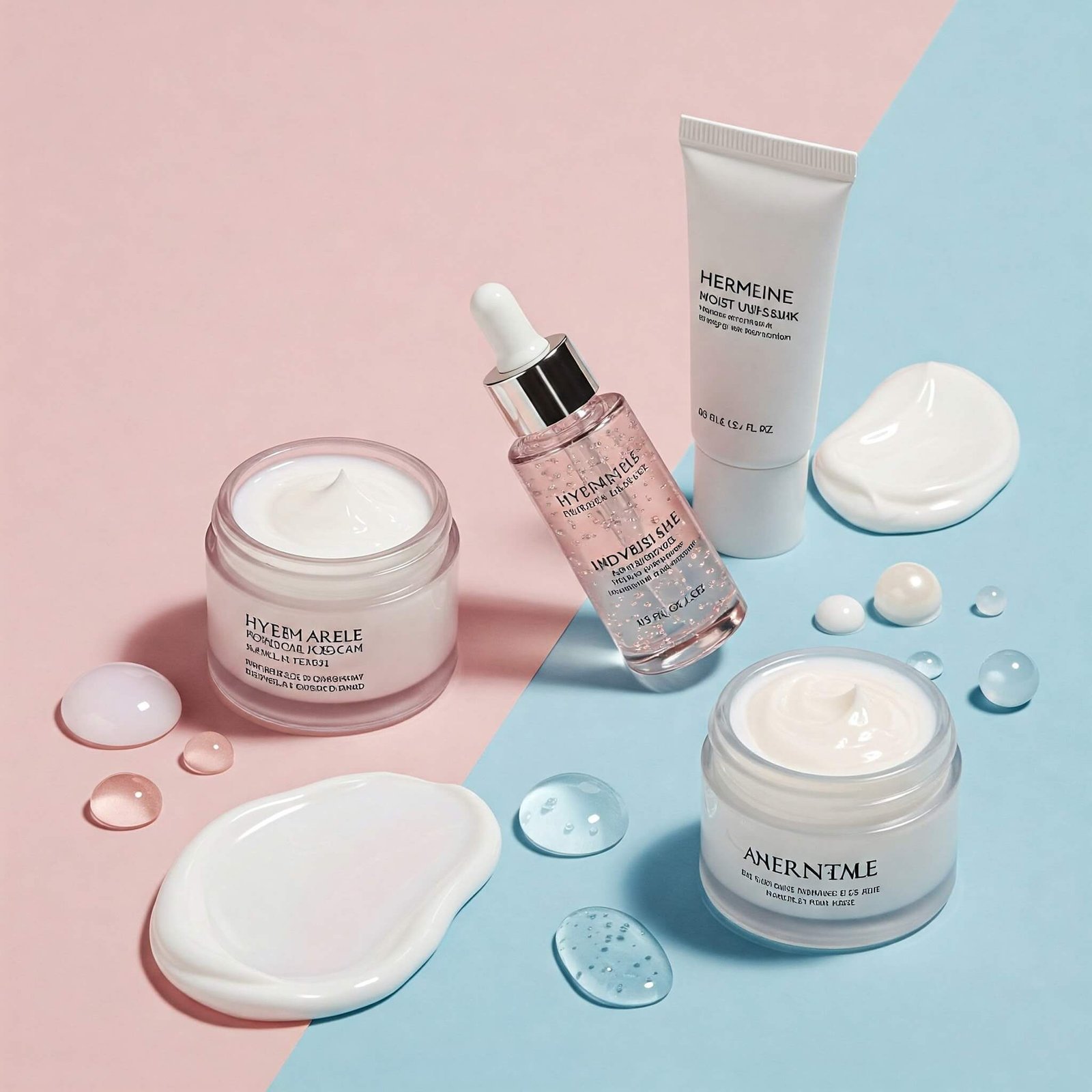
Skinimalism is the art of doing more with less in your skincare and beauty routine. Instead of stacking multiple products, you focus on a handful of high-quality, multi-functional ones that respect your skin’s natural barrier.
Think cleanser, moisturizer, sunscreen, and maybe one targeted treatment — that’s often enough. The goal isn’t to strip or overhaul your skin. It’s to support it gently so it can do what it does best: stay balanced, hydrated, and radiant.
This approach draws from minimalist living principles but applies them directly to beauty. No more buying every new launch just because influencers say so.
Why Skinimalism Is Making a Comeback in 2026
Remember the excitement around elaborate routines a few years ago? It felt empowering — until it didn’t.
Consumer fatigue is real. Endless product launches, complicated layering orders, and constant “must-have” ingredients left many feeling overwhelmed and broke. Add rising costs and a desire for sustainability, and the pendulum swung back toward simplicity.
Dermatologists and experts now point out that too many actives — retinoids, acids, exfoliants — can weaken the skin barrier, causing irritation, sensitivity, and even more breakouts. Fewer products mean less chance of conflict between ingredients.
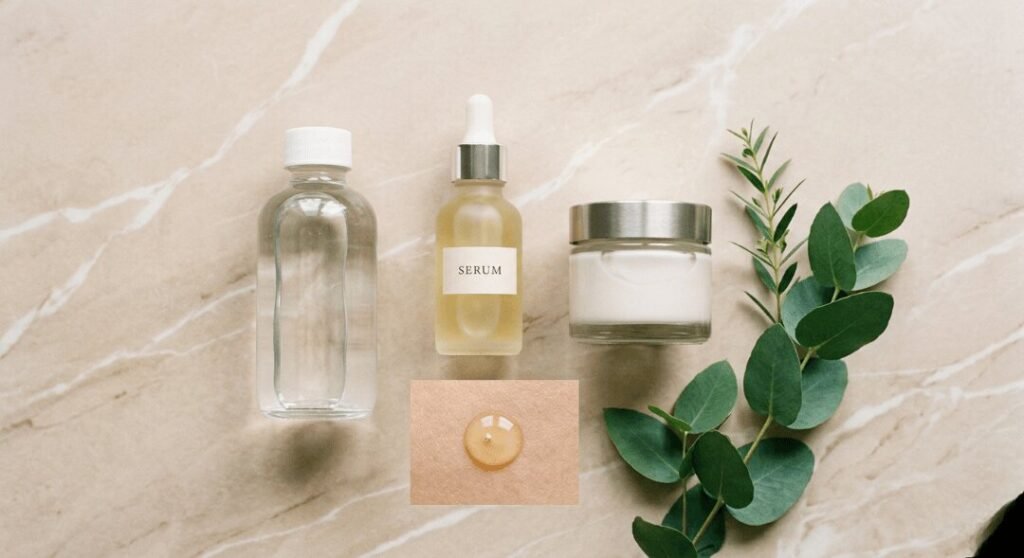
Here’s the surprising part: many people notice clearer, calmer skin after simplifying. Your skin isn’t a science experiment. Sometimes it just needs consistency and kindness.
Elder millennials and Gen X are leading this shift. Many remember the simple 90s routines — cleanse, moisturize, done. Research shows a large percentage now find today’s routines more complicated than before and are actively looking to cut back.
The Real Reasons People Are Ditching Multi-Step Routines
Let’s get honest. Why are so many switching?
1. Skin Health Over Hype Overloading the skin disrupts its natural microbiome and pH balance. A simpler routine strengthens the barrier, reducing redness and sensitivity. Healthy skin looks glowy on its own — no filters needed.
2. Time and Money Savings Mornings are rushed. Evenings are for unwinding, not playing chemist with your face. Fewer products mean faster routines and lower spending. Quality over quantity actually saves in the long run.
3. Sustainability Matters Every bottle adds to packaging waste. Using less means less plastic, less shipping emissions, and a smaller carbon footprint. Many now want beauty that doesn’t harm the planet.
4. Trend Fatigue Social media pushed constant new trends — slugging, skin cycling, 12-step glass skin. The result? Exhaustion. People crave routines that feel calm and personal, not performative.
Did you know? The skinimalism market is projected to grow steadily because consumers are tired of complexity and want practical, effective solutions.
Real Stories: How Simplifying Changed Skin (and Lives)
Meet Priya, a working mom in her late 30s from Delhi. She used to follow a 7-step night routine recommended by her favorite beauty YouTuber. Her skin felt reactive, and she spent heavily every month.
After switching to skinimalism — gentle cleanser, niacinamide serum, moisturizer, and sunscreen — her redness calmed within weeks. “I feel like I got my skin back,” she says.
Or take Rohan, a 28-year-old software engineer. He battled acne and tried every trendy acid. His dermatologist suggested paring back. Within a month of consistent simple care, his breakouts reduced, and his confidence returned.
These aren’t rare cases. Across India and globally, people with busy lives, sensitive skin, or tight budgets are seeing similar shifts. The common thread? Listening to their skin instead of trends.
Pros and Cons of Embracing Skinimalism
No approach is perfect, so let’s look at both sides honestly.
Pros:
- Stronger skin barrier and less irritation
- Saves time (routines under 5-10 minutes)
- More affordable long-term
- Better for the environment
- Focus on proven ingredients that deliver real results
- Easier to stay consistent
Cons (or Challenges):
- It requires patience — results come from consistency, not quick fixes
- You might miss the “ritual” feeling of a longer routine
- Finding the right multi-functional products takes some trial
- Hard to resist new launches when marketing is strong
The key? Start slow. Don’t throw everything out at once. Patch test and observe how your skin responds.
How to Build Your Own Skinimalist Routine
Ready to try? Here’s a practical starting point that works for most skin types:
Morning Basics:
- Gentle cleanser (or just water if your skin is dry)
- Lightweight serum or treatment (like hyaluronic acid or niacinamide)
- Moisturizer
- Broad-spectrum sunscreen (SPF 30+)
Night Basics:
- Cleanser (double cleanse only if wearing heavy makeup/sunscreen)
- One active if needed (retinoid or gentle exfoliant — not both daily)
- Richer moisturizer or occlusive to lock in hydration
Tips for Success:
- Choose multi-tasking products — a moisturizer with built-in SPF or niacinamide, for example.
- Focus on skin barrier heroes: ceramides, hyaluronic acid, centella, panthenol.
- Listen to your skin. Some days you may skip everything except moisturizer.
- Invest in quality over quantity. A few trusted brands beat a shelf full of mediocre ones.
Start with 3-4 products and build from there. Track changes in a simple journal — how does your skin feel after one week? One month?
What This Means for the Beauty Industry
Brands are already responding. We’re seeing more “hero” products designed to replace several steps. Dermatologist-backed lines emphasizing simplicity and science are gaining traction.
In 2026, expect multifunctional formulas, transparent ingredient stories, and less emphasis on long routines. The luxury of skinimalism lies in knowing exactly what your skin needs — and nothing more.
This shift also pushes the industry toward better education. Instead of selling fear or endless needs, good brands will help you do less, better.
Looking Ahead: Skinimalism in the Next 3–6 Months
Over the coming months, this trend will mature into “Skinimalism 2.0” — not just fewer products, but smarter, barrier-focused ones with proven tech.
We’ll likely see more personalized minimalist advice via apps or dermatologist consultations. Sustainability will grow stronger, with refillable and recyclable packaging becoming standard.
For everyday people, the message is empowering: you don’t need to spend hours or thousands to have good skin. Consistency with the basics often wins.
Will maximalist routines disappear completely? Probably not. Some will always enjoy the self-care ritual. But the mainstream is clearly moving toward intentional simplicity.
Why This Feels So Good Right Now
In a fast world full of noise, skinimalism brings calm. It’s about trusting your skin’s intelligence instead of constantly “fixing” it.
It reminds us that natural glow comes from health, not layers of product. And in India’s humid climate or dry winters, respecting the barrier makes even more sense.
Have you felt overwhelmed by your current routine? You’re not alone. Many are quietly making the switch and loving the freedom.
Conclusion
Skinimalism isn’t about deprivation. It’s about freedom — freedom from clutter, from spending, from worrying if you missed a step.
By using fewer, better products, you give your skin space to breathe and repair. The result is often healthier, more resilient skin that needs less intervention over time.
The next time you feel tempted to add another serum “just in case,” pause and ask: Does my skin really need this, or am I just following the crowd?
Try simplifying for a few weeks. You might be surprised at how good less can feel — and look.
Your skin (and your shelf) will thank you.
(Word count: approximately 1,720)
FAQs
1. What is skinimalism exactly? Skinimalism is a minimalist approach to skincare that focuses on using fewer, high-quality, multi-functional products instead of long, complicated routines. The aim is healthier skin with less irritation and effort.
2. Is skinimalism suitable for all skin types? Yes, but customization matters. Oily, dry, sensitive, or combination skin can all benefit. The key is choosing gentle, non-comedogenic products and observing how your skin responds. Those with very reactive skin often see the biggest improvements.
3. Will simplifying my routine make my skin worse at first? It might feel different initially as your skin adjusts, especially if you were using many actives. Purging is rare with true minimalism, but give it 2–4 weeks. If irritation increases, consult a dermatologist.
4. How many products do I really need for a skinimalist routine? Most people thrive with 3–5 core products: cleanser, treatment (if needed), moisturizer, and sunscreen. Night routines can be even simpler. Quality and consistency matter more than quantity.
5. Can skinimalism work with Indian skin and climate? Absolutely. In humid or polluted cities, focusing on barrier repair and lightweight hydration helps prevent breakouts and dullness. Choose non-greasy formulas and always prioritize sunscreen.