That quiet luxury look you chased for the last few years is quietly slipping away. And honestly? Many of us are breathing a sigh of relief.
In 2026, fashion is waking up. Runways and streets alike are trading whisper-quiet restraint for something more alive — more personal, more expressive. It’s not about screaming with logos or chaotic maximalism that hurts the eyes. It’s about dressing with character, confidence, and a touch of joy again.
The shift feels refreshing. After seasons of blending in to signal “I have taste,” people are ready to stand out in smarter, more intentional ways.
What Exactly Was Quiet Luxury — And Why Is It Fading Now?
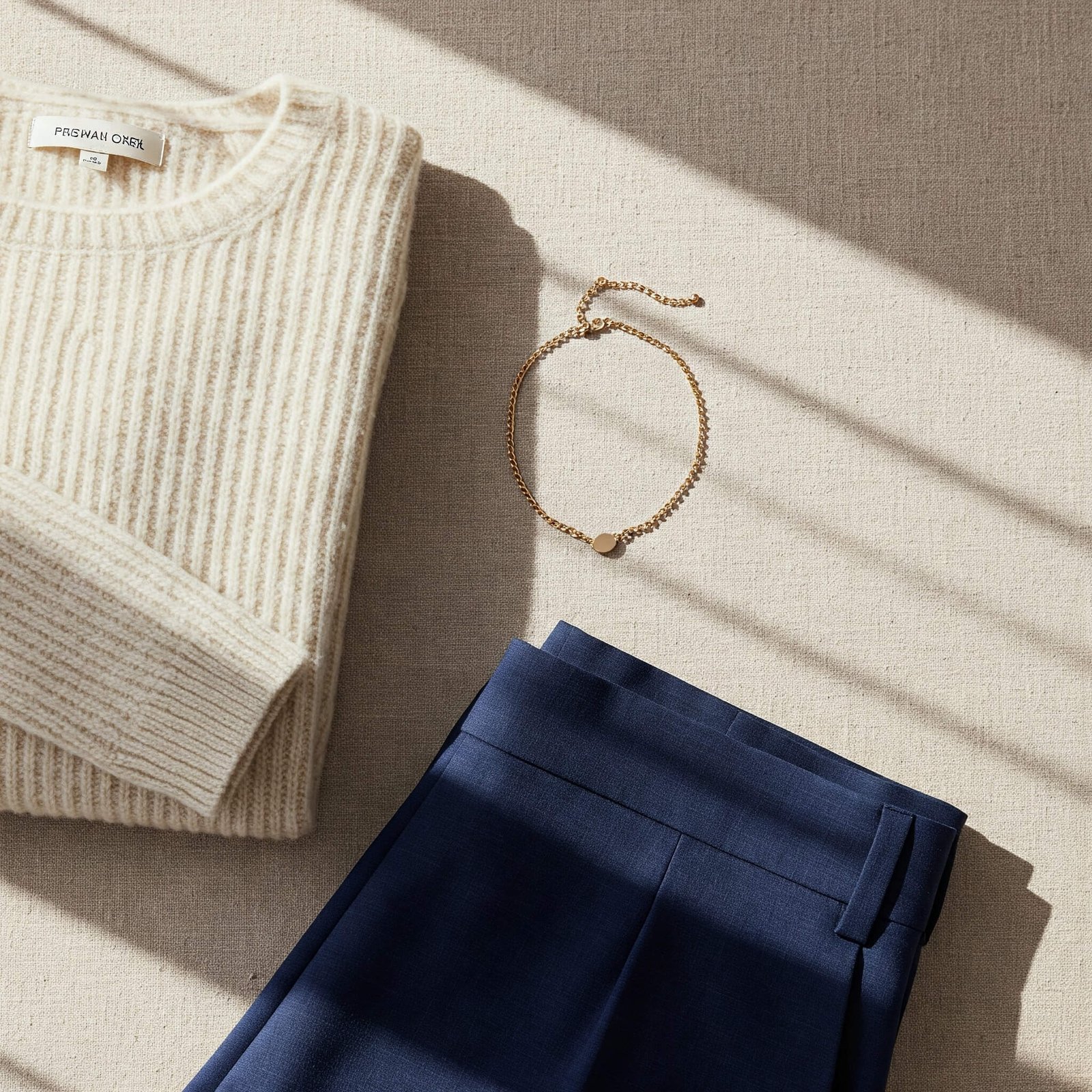
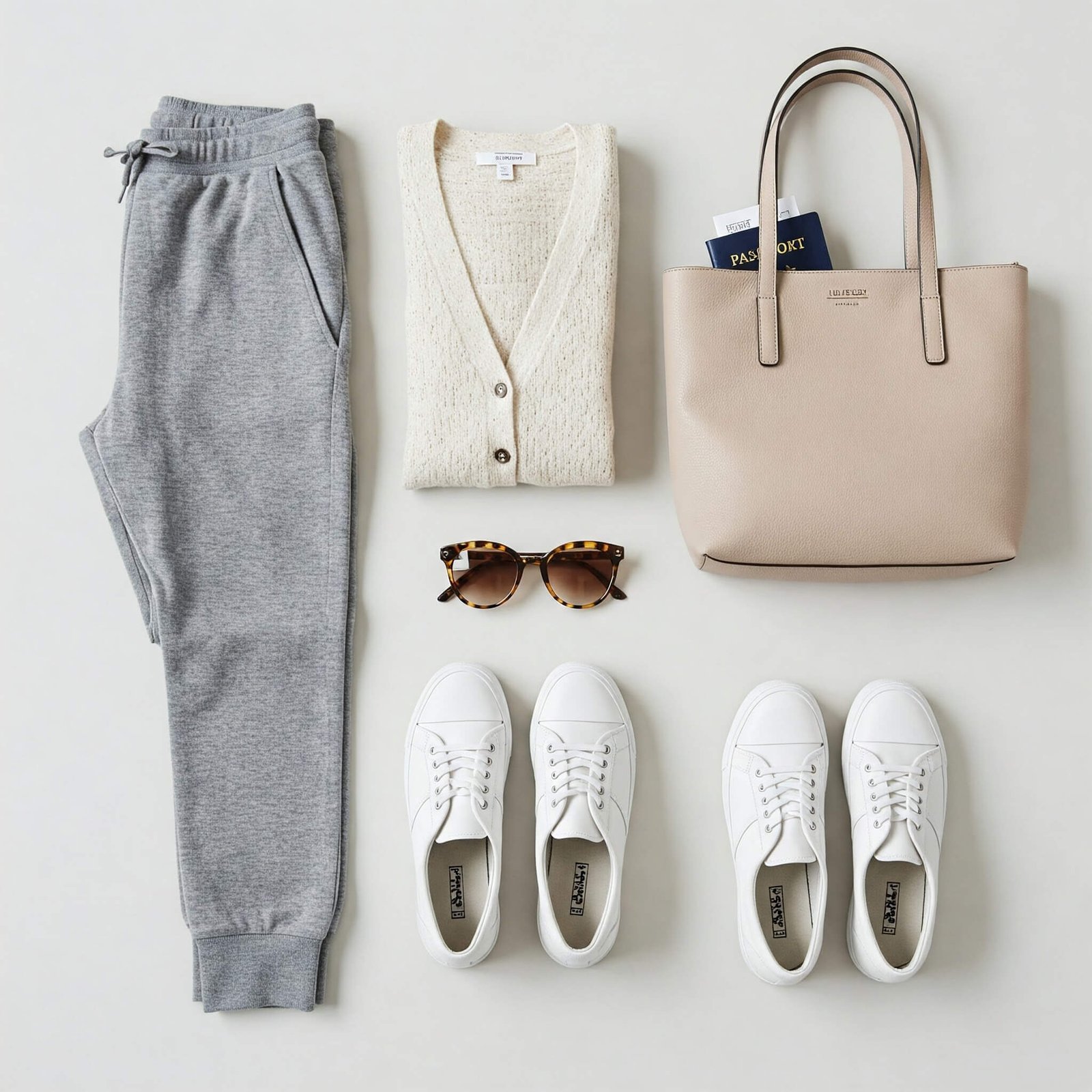
Quiet luxury exploded thanks to shows like Succession, The Row’s perfect tailoring, and a post-pandemic craving for calm. It was all about expensive basics that didn’t shout: soft neutrals, impeccable fabrics, no obvious logos. It felt grown-up, sustainable in spirit, and quietly powerful.
But here’s the surprising part: when everyone started copying the same beige-on-beige formula, it stopped feeling exclusive. It became uniform. Did you notice how hard it became to tell one “stealth wealth” outfit from another on Instagram?
By early 2026, that sameness had worn thin. Fashion thrives on change and self-expression. When subtlety turns into sameness, boredom sets in. Runway reports from Fall/Winter 2026 collections made it clear — designers were done with rigid minimalism. They wanted to be seen.
Economic pressures, social media fatigue, and a desire for joy after tough years played a role too. People want clothes that reflect their personality, not just their bank balance.
The New Trend Taking Over: Expressive Personal Style (With a Bold Edge)
The new direction in 2026 isn’t full-blown maximalism for everyone. It’s something more nuanced — let’s call it expressive personal style or confident character dressing.
Think structured shoulders with a playful twist, rich textures layered thoughtfully, unexpected color combinations that feel intentional, and statement accessories that tell your story. It builds on quiet luxury’s love for quality while adding personality, volume, and a bit of drama.
You’ll see:
- Tactile finishes — brushed cashmere, shearling accents, suede touches that beg to be felt.
- 80s-inspired power elements reimagined — sharp tailoring mixed with softer, feminine details.
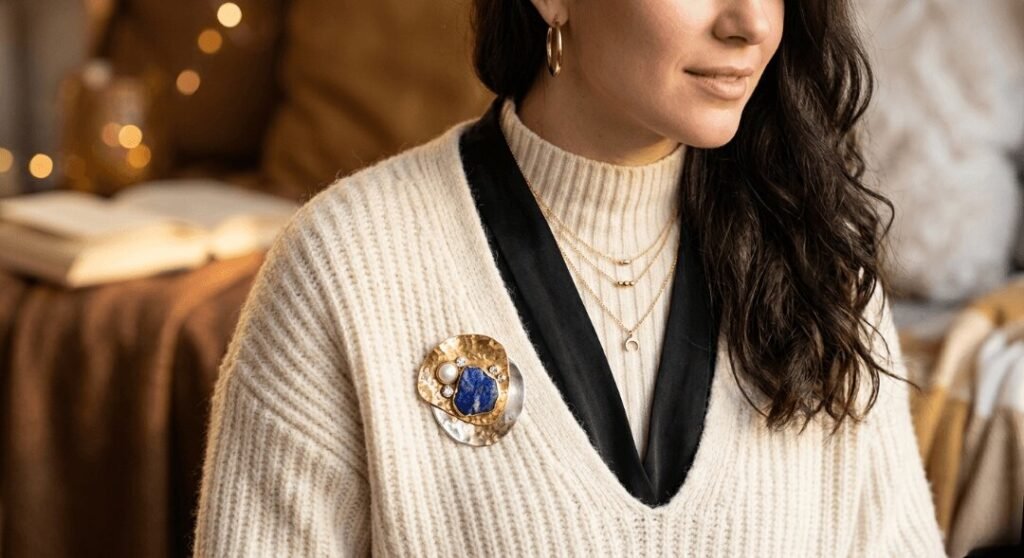
- Bold hardware like oversized brooches, sculptural belts, or eye-catching necklines.
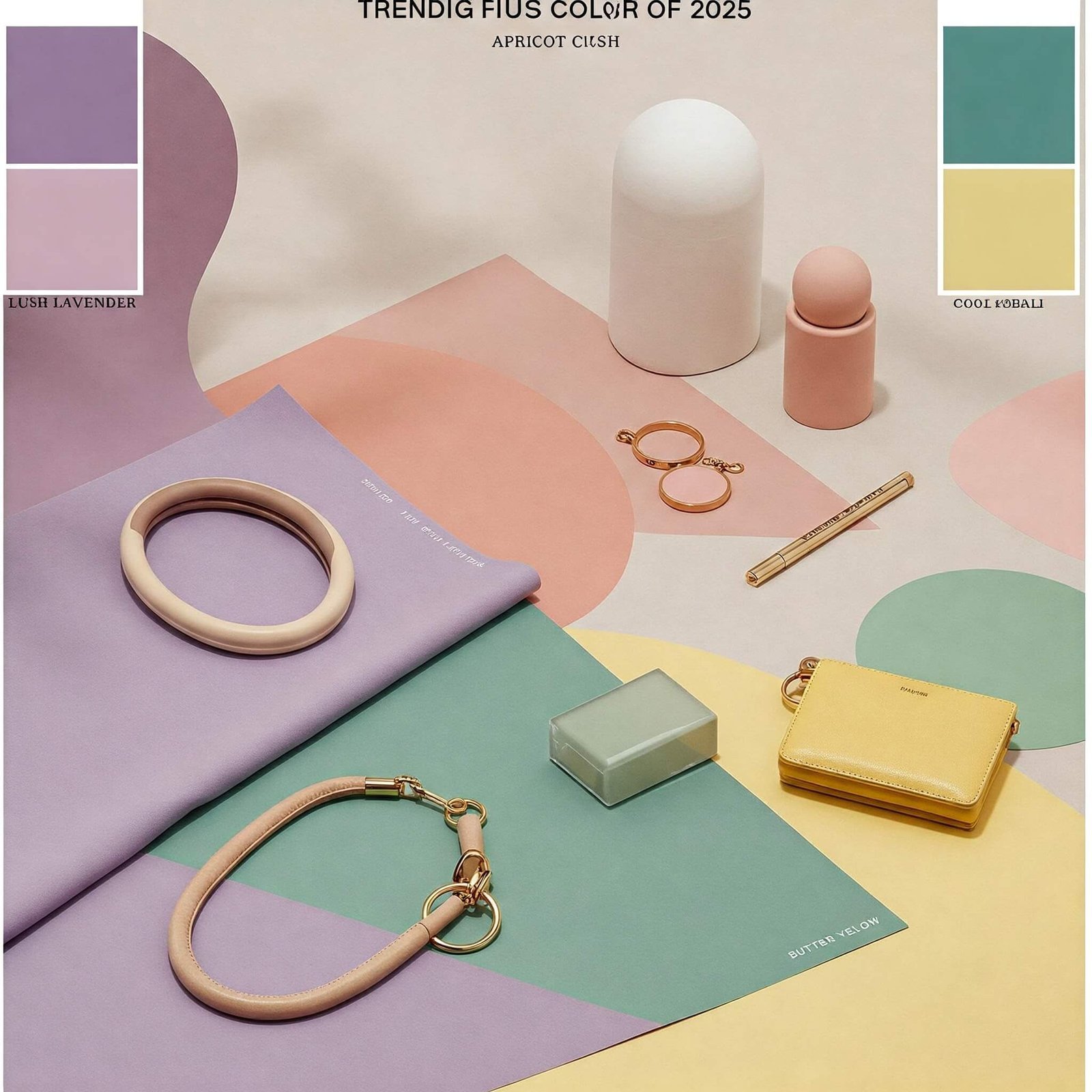
- Color that actually excites — mocha deepened with jewel tones, or clashing shades styled with confidence.
It’s maximalism with editing. Not throwing everything together, but curating pieces that feel uniquely yours.
Have you ever put on an outfit and instantly felt more like yourself? That’s the feeling this trend chases.
Why This Shift Matters Right Now in 2026
Fashion doesn’t exist in a vacuum. After years of economic uncertainty and digital overload, people crave authenticity. Dressing to disappear no longer feels empowering — it feels limiting.
Gen Z and Millennials, tired of algorithm-approved sameness, are driving this change. They want clothes that spark conversation and reflect real life, not just office-appropriate neutrality.
Sustainability plays a part too. Instead of buying fast trend pieces, the focus is shifting toward investing in versatile, high-quality items you can style in expressive new ways season after season.
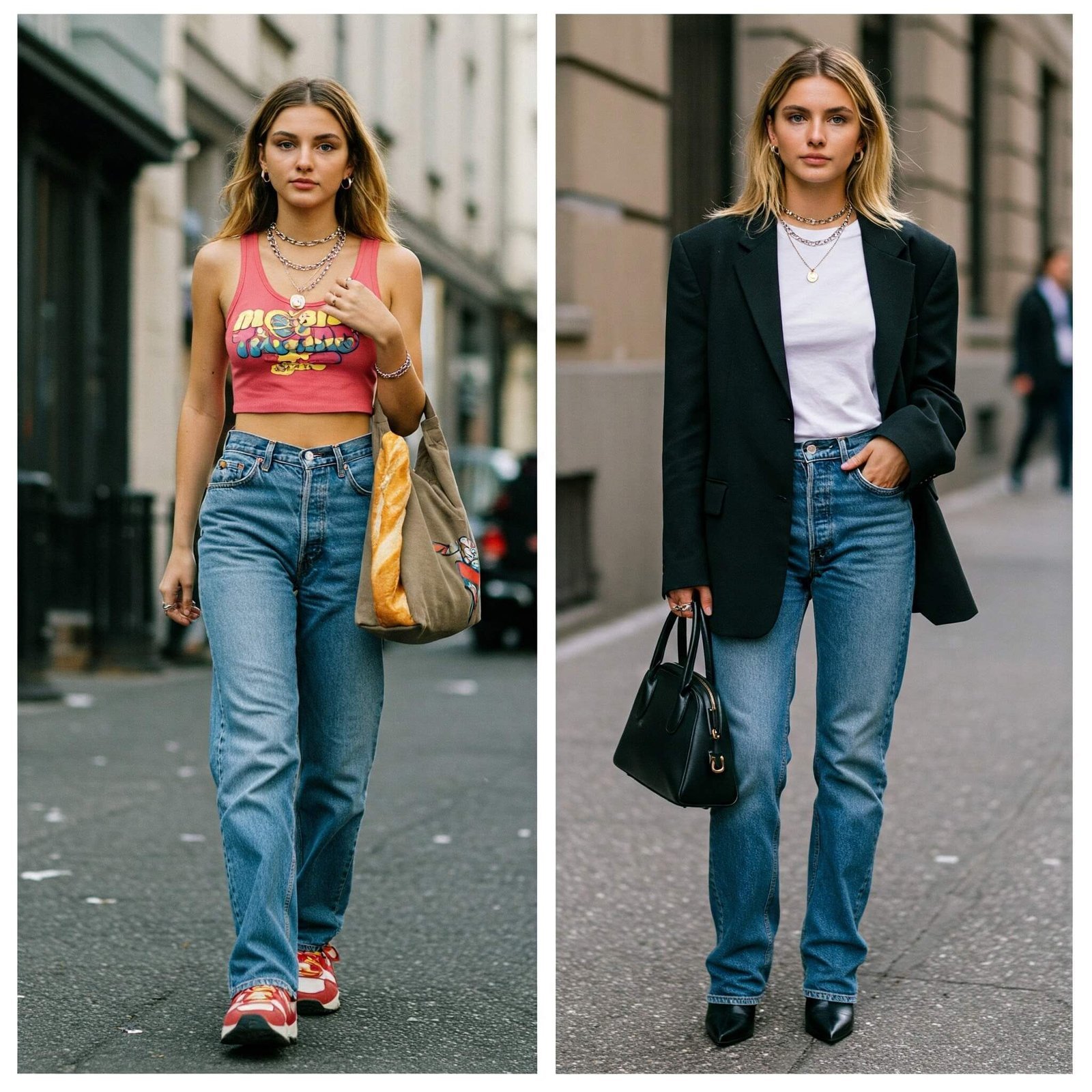
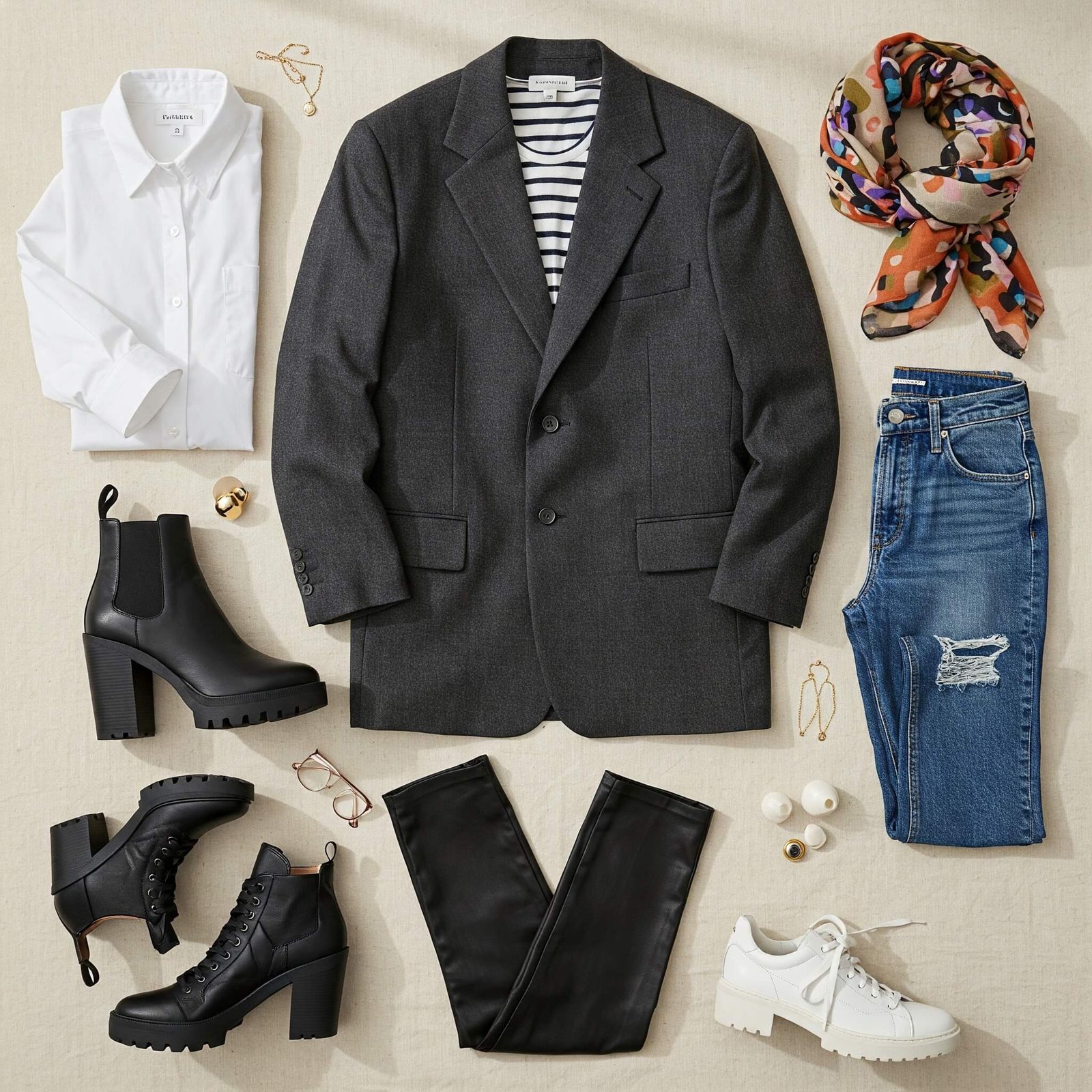
Here’s what’s exciting: this trend feels more democratic. You don’t need a full designer wardrobe to participate. A great tailored blazer paired with an unexpected printed scarf or bold earrings can do the trick.
Real-World Examples You’ll Spot Everywhere
Picture this: A woman in Mumbai heading to a client meeting wears sharp black trousers with an oversized white shirt, but adds a sculptural gold brooch and vibrant red heels. The base is polished, the accents make it memorable.
Or your friend in Delhi layering a soft cashmere sweater over a dramatic puff-sleeve blouse in a rich teal, finishing with statement earrings. It feels elevated without trying too hard.
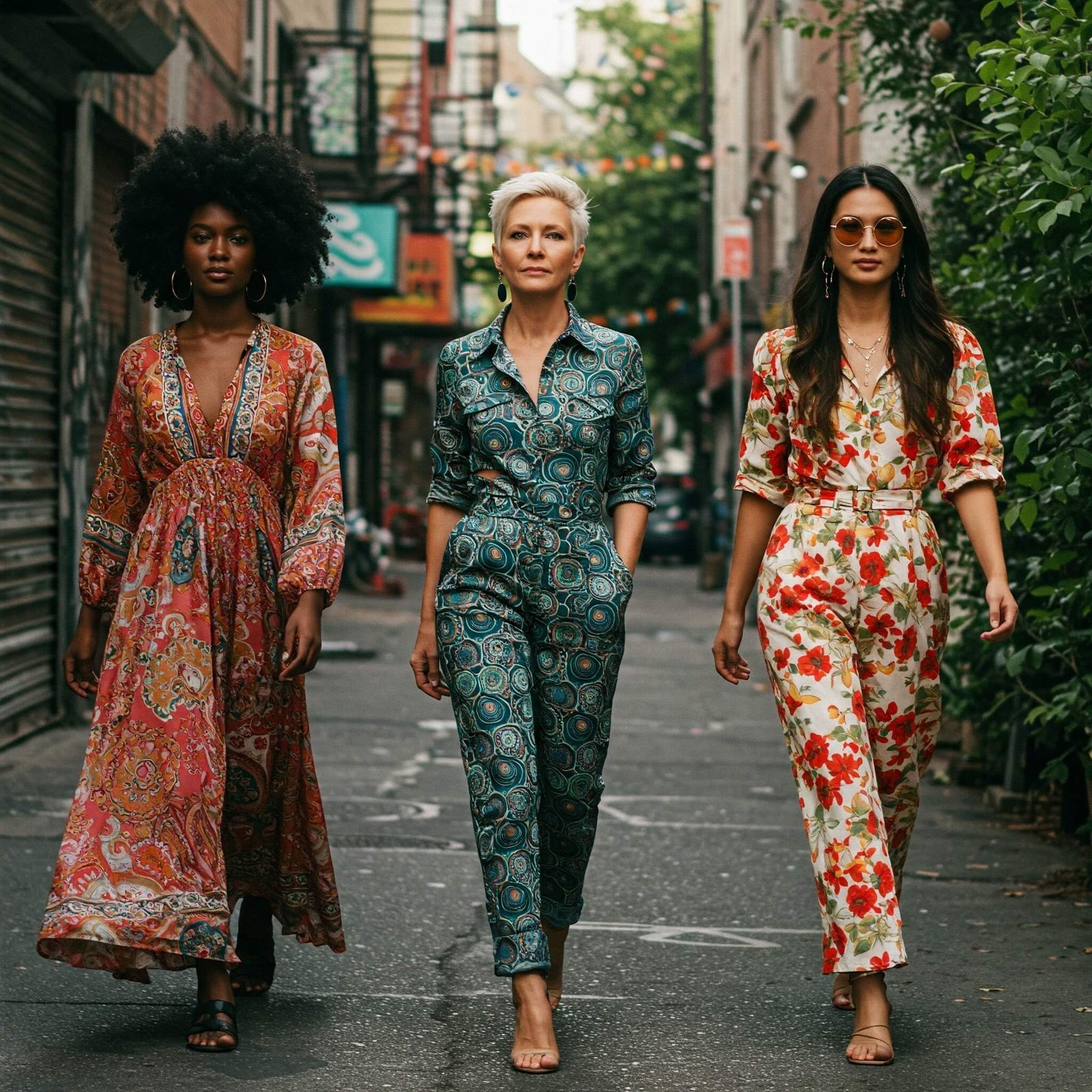
On the streets of New York or London, you’ll see tailored coats with exaggerated shoulders worn over flowing dresses, or neutral bases brought to life with mixed prints and metallic accents.
Celebrity and influencer looks are leaning this way too — think power dressing with personality, not just corporate blandness. Even The Row has experimented with more volume and texture in recent collections.
The common thread? Clothes that invite compliments like “You look so you today” instead of just “Nice outfit.”
Pros and Cons of Moving Beyond Quiet Luxury
Pros:
- More fun and creative — styling becomes playful again.
- Better self-expression — your clothes can reflect mood, culture, or personality.
- Longevity through versatility — quality pieces get new life with bold styling.
- Higher engagement — people notice and connect over distinctive looks.
Cons (or things to watch):
- Risk of looking try-hard if you overdo patterns or accessories.
- Need for better editing skills to keep looks polished.
- Potential higher maintenance for textured or statement pieces.
- Transitioning an existing minimalist wardrobe takes thought.
The key is balance. Start small. Don’t throw out your beautiful neutrals — use them as a sophisticated base and build from there.
How to Transition Your Wardrobe in the Next 3–6 Months
Ready to dip your toes in? Here are practical, actionable steps that won’t break the bank or feel overwhelming:
- Audit what you already own. Keep the high-quality tailoring and fabrics. Identify 3–5 neutral hero pieces that can serve as foundations.
- Add one bold element at a time. Invest in a statement accessory — a sculptural bag, oversized brooch, or pair of interesting shoes. These transform outfits instantly.
- Play with texture and subtle color. Swap one plain sweater for something with brushed or tactile finish. Introduce deeper tones like mocha, teal, or warm browns.
- Experiment with proportion. Try a structured shoulder blazer over a softer blouse, or mix volumes — slim bottoms with voluminous tops.
- Focus on necklines and hardware. Funnel necks, interesting collars, or bold buttons add personality without major changes.
- Build confidence gradually. Wear new combinations at low-stakes events first. Take photos to see what feels right on you.
In the coming months, expect to see more tactile luxury pieces in stores and more styling inspiration online that mixes old quiet luxury favorites with fresh twists. By late 2026, this expressive approach should feel natural for most fashion-forward people.
Did you know? Searches for “80s power dressing” and “bold accessories 2026” have already surged as people look for ways to stand out thoughtfully.
The Future Outlook: What’s Next After This Wave?
This isn’t a one-season fling. The move toward expressive personal style feels deeper — a reaction to years of conformity. Over the next 3–6 months, watch for even more focus on craftsmanship mixed with individuality.
We might see “curated chaos” — thoughtful layering of patterns and textures — or a rise in customizable elements like modular accessories.
The best part? Fashion becomes less about following rules and more about knowing yourself. Quiet luxury taught us the value of quality. The new era teaches us to use that quality to tell our own stories.
Common Mistakes to Avoid
Don’t mistake this for cheap loudness. Skip fast-fashion versions of dramatic trends that fall apart after one wear. Focus on pieces that feel special.
Also, avoid copying trends blindly. What looks amazing on a runway model might need tweaking for your body, lifestyle, or climate (especially important for our Indian audience balancing humid summers and cooler winters).
Why You’ll Love This Change (And How It Feels Different)
There’s an emotional lift when your clothes match your energy. Quiet luxury often felt calming — great for stressful times. The new expressive style feels energizing, like stepping into a version of yourself that’s been waiting to shine.
You walk differently. You smile more when you catch your reflection. Friends ask where you got that “cool” piece.
That’s the quiet power of this shift — it’s personal, not performative.
FAQs
Is quiet luxury completely dead in 2026? Not entirely. Its core values — quality fabrics, good tailoring, timeless investment pieces — remain strong. What’s fading is the strict, uniform beige minimalism that everyone copied. The philosophy evolves into something more personal.
What is the main fashion trend replacing quiet luxury? Expressive personal style with bold yet edited elements: tactile textures, structured silhouettes with playful twists, statement accessories, and intentional color or pattern mixing. It’s confident dressing that shows personality without chaos.
How can I afford to switch to the new 2026 trends? Start with accessories and styling tweaks rather than a full wardrobe overhaul. A great brooch, bold earrings, or one statement blouse can refresh multiple outfits. Focus on versatile hero pieces you can mix and match.
Will this new trend work for everyday Indian wardrobes and office settings? Absolutely. Pair structured blazers with kurtas or sarees for fusion looks, or add subtle metallic accents to salwar suits. In offices, keep the base polished and add personality through accessories or texture. It adapts beautifully to our climate and culture.
How do I style without looking over-the-top? Follow the 80/20 rule: 80% polished base (tailoring, neutrals, quality fabrics) and 20% expressive elements (one bold accessory, interesting texture, or color pop). Step back in the mirror and ask — does this feel like me?