
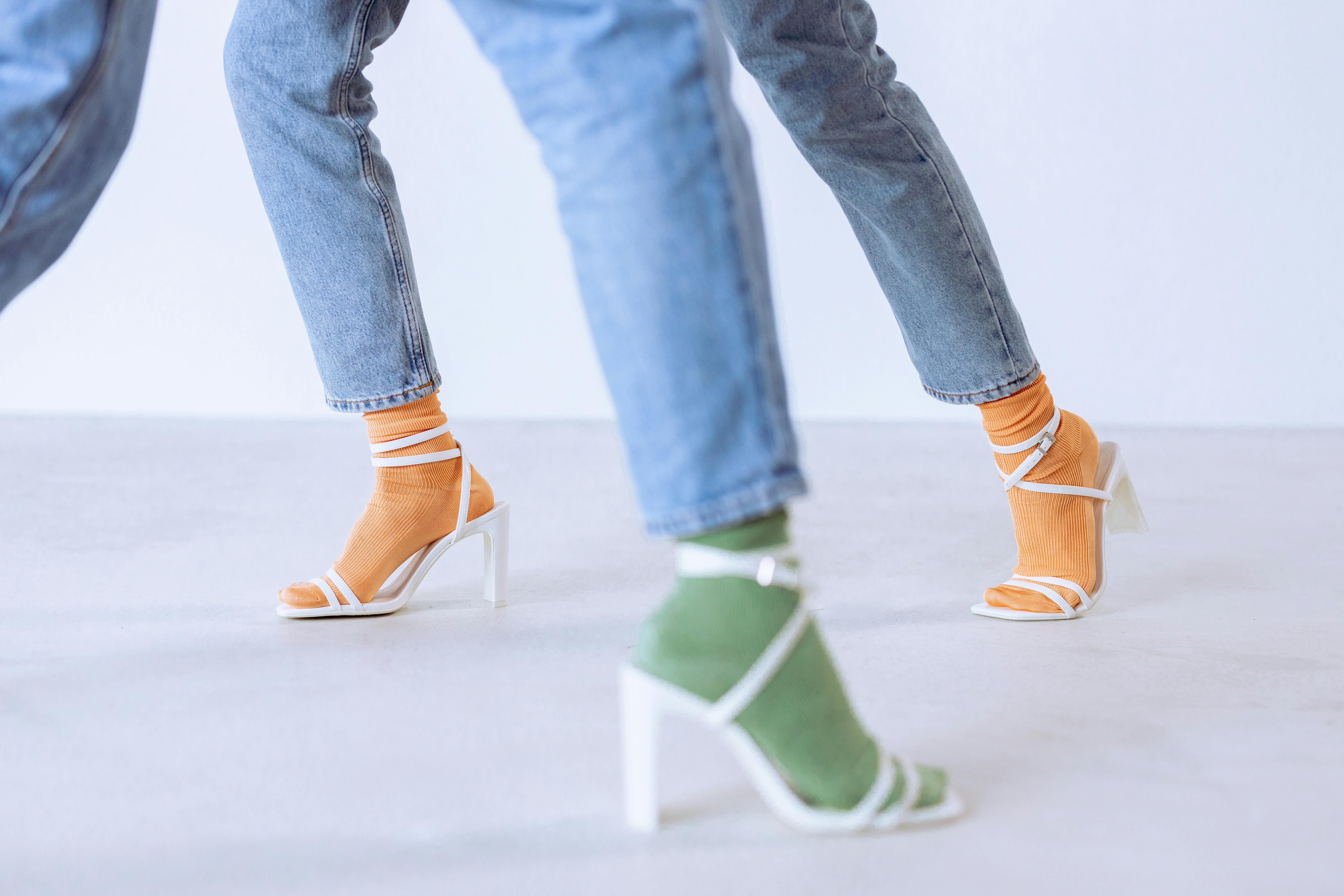
Dive into the 2026 Circular Fashion Revolution! Discover how embracing sustainable style, from luxury fashion rentals and thriving resale marketplaces to innovative repair services and ethical brand investments, can elevate your wardrobe, save you money, and boost your eco-conscious impact. Compare the best options for smart, stylish, and profitable fashion choices.
Introduction to the Topic
Welcome to 2026, fashionistas! The landscape of style has undergone a seismic shift, moving beyond fleeting trends to embrace a revolution that's as good for your wardrobe as it is for the planet and your bank account. We're talking about the rise of Circular Fashion – a dynamic ecosystem where clothing is designed for longevity, reused, repaired, and recycled, rather than discarded. This isn't just a niche movement; it's the new mainstream, driven by eco-conscious consumers, technological innovation, and a collective desire for smarter consumption. At fashioncoders.com, we believe that being stylish in 2026 means being smart, sustainable, and savvy. This comprehensive guide will equip you with everything you need to navigate this exciting new era, from identifying lucrative investment pieces to discovering the best platforms for renting, reselling, and repairing your beloved garments. Get ready to unlock an eco-chic edge that truly pays off!
Backgrounds & Facts
The urgency for a circular fashion system has never been clearer. Traditional 'fast fashion' models, characterized by rapid production, low quality, and frequent disposal, have led to staggering environmental consequences. By 2026, global awareness of fashion's footprint – from massive textile waste overflowing landfills to excessive water consumption and carbon emissions in manufacturing – has reached a critical peak. Consumers, particularly Gen Z and Millennials, are actively seeking alternatives, demanding transparency, ethical production, and genuine sustainability from brands.
Consider these compelling facts driving the circular revolution:
- Waste Reduction: The fashion industry still contributes significantly to global waste, but innovations in textile recycling and design for disassembly are rapidly changing this narrative. Circular models aim to keep materials in use, drastically cutting down on landfill contributions.
- Economic Growth: The resale market, valued at over $80 billion globally by 2025, is projected to outpace fast fashion's growth by a significant margin. Fashion rental services are also booming, offering accessible luxury and variety without ownership. These sectors represent massive new economic opportunities.
- Technological Leaps: Advanced material science is creating durable, bio-degradable, and endlessly recyclable fabrics. AI-driven platforms are optimizing inventory for rental services, authenticating pre-owned luxury items, and even facilitating hyper-personalized repair solutions. Blockchain technology is providing unprecedented supply chain transparency, allowing consumers to trace a garment's journey from fiber to closet.
- Consumer Demand: Surveys consistently show that a majority of consumers are willing to pay more for sustainable products and actively seek brands committed to ethical practices. The desire for unique, high-quality, and long-lasting items has replaced the impulse for disposable trends.
The shift isn't just ethical; it's pragmatic. Extending the life of clothing through reuse and repair can significantly reduce its environmental impact, sometimes by over 70%, making circularity a powerful tool for both personal and planetary well-being.
Expert Opinion / Analysis
The consensus among industry leaders and sustainability experts is clear: circular fashion is not just a trend for 2026, but the definitive future of the industry. “The transition to circularity isn't merely an ethical imperative; it's a massive economic opportunity, unlocking new revenue streams and unprecedented consumer value,” states Dr. Anya Sharma, a leading fashion economist and author of 'The Sustainable Wardrobe Economy'. “Brands that embrace circular models – from offering repair services to investing in take-back programs – are not only enhancing their reputation but also building deeper, more loyal customer relationships.”
Sarah Jenkins, founder of 'ReFashion Labs', a consultancy specializing in circular supply chains, emphasizes the role of innovation. “In 2026, we're seeing cutting-edge material science combined with advanced logistics making circularity not just aspirational but achievable at scale. From fiber-to-fiber recycling technologies that can endlessly regenerate textiles to AI algorithms predicting demand for rental items, the infrastructure for a truly circular system is maturing rapidly. This means consumers can now access high-quality, sustainable options more easily and affordably than ever before.”
Furthermore, industry analysts highlight the shift in consumer mindset. “Today’s conscious consumer views their wardrobe as an investment, not a disposable commodity,” explains Marcus Thorne, a trend forecaster at 'FutureWear Insights'. “They are actively seeking ways to maximize value – whether that's through premium quality purchases designed to last, smart rental subscriptions for variety, or leveraging resale platforms to recoup value from their existing items. This focus on longevity and value creation is what truly defines the 2026 fashion landscape.” The message is unequivocal: engage with circular fashion, and you're not just following a trend; you're investing in a smarter, more sustainable, and ultimately more profitable way to dress.
💰 Best Options in Comparison (VERY IMPORTANT)
Navigating the circular fashion landscape in 2026 offers a wealth of opportunities to refresh your style, save money, and make a positive impact. Here are the top avenues to explore, designed for the savvy shopper with purchasing intent:
1. Fashion Rental Services: Experience Luxury & Variety Without Ownership
Ideal for special occasions, trying out new trends, or simply refreshing your everyday wardrobe without the commitment of a full purchase. Rental platforms are booming, offering everything from designer gowns to everyday workwear.
- Luxury & Occasion Wear: Platforms like Rent the Runway 2.0 or Armoire Luxe offer access to high-end designer dresses, bags, and accessories for galas, weddings, or important events. You get the glamour without the hefty price tag or wardrobe clutter. Consider a subscription for continuous style updates or one-time rentals for specific events.
- Everyday & Workwear Subscriptions: Services akin to Nuuly or StyleFlow allow you to rent a rotating selection of contemporary pieces monthly. This is perfect for experimenting with new brands, seasonal updates, or maintaining a dynamic professional wardrobe sustainably.
- Key Benefits: Cost-effective luxury, reduced fashion waste, constant wardrobe refreshment, hassle-free cleaning and maintenance included.
2. Resale & Pre-Owned Marketplaces: Buy, Sell, and Discover Unique Treasures
The resale market is a goldmine for finding unique pieces, luxury bargains, and recouping value from your existing wardrobe. It's an investment in extending a garment's life cycle.
- Luxury Consignment: Platforms like The RealReal, Vestiaire Collective, or Fashionphile specialize in authenticating and selling pre-owned designer bags, shoes, and clothing. Buying here offers significant discounts on premium items, while selling allows you to monetize your high-value pieces.
- Peer-to-Peer & Everyday Resale: Apps like Depop, Poshmark, or Vinted connect buyers and sellers for everyday fashion, vintage finds, and niche styles. They are excellent for discovering unique items and easily offloading clothes you no longer wear. Look for bundles to maximize shipping value!
- Brand-Owned Resale Programs: Many leading brands, including Patagonia Worn Wear and Levi's SecondHand, now offer their own vetted pre-owned collections. This ensures quality and directly supports the brand's circular initiatives.
- Key Benefits: Access to affordable luxury, sustainable shopping, earning money from old clothes, discovering unique vintage and limited-edition items.
3. Repair & Upcycling Services: Extend Life, Customize, and Innovate
Don't discard; repair and reimagine! Giving your clothes a second life through mending or creative upcycling is one of the most impactful circular actions.
- Professional Garment Repair: Seek out local tailors, specialized denim repair shops, or modern services like The Mending Collective (online or pop-up) for expert alterations, darning, and general garment restoration. Investing in repair preserves quality pieces and saves money compared to buying new.
- Upcycling & Customization Workshops: Explore online courses or local community workshops that teach you how to transform old clothes into new designs. This is a fantastic way to personalize your wardrobe, learn new skills, and create truly unique, sustainable fashion statements.
- Key Benefits: Significant cost savings, extending the lifespan of beloved items, unique customization, reducing textile waste.
4. Investing in Ethical & Sustainable Brands (New Purchases): Conscious Consumption
When you do buy new, make it count. Support brands committed to transparency, fair labor, and eco-friendly materials.
- Certified Sustainable Brands: Look for brands like Reformation, Everlane (with their renewed transparency initiatives), Stella McCartney, or Patagonia that prioritize organic cotton, recycled fabrics, closed-loop production, and ethical supply chains. These are investment pieces designed for longevity.
- Made-to-Order & Slow Fashion: Discover independent designers who produce garments on demand, minimizing waste and ensuring high quality. While often a higher initial investment, these pieces are timeless and built to last.
- Key Benefits: Supporting ethical practices, superior quality and longevity, reduced environmental impact, investing in timeless style.
Below is a clear comparison to help you choose the best circular fashion options for your needs:
| Category | Best For | Typical Cost/Model | Sustainability Impact | Convenience | Key Examples |
|---|---|---|---|---|---|
| Fashion Rental | Occasion wear, trend experimentation, wardrobe variety | Subscription (monthly) or Per-item rental | High (maximizes garment utilization, reduces new purchases) | Very High (delivery, cleaning included) | Rent the Runway, Nuuly, Armoire Luxe |
| Resale Marketplaces | Affordable luxury, selling unused items, unique finds | Varies by item (often 30-70% off retail), seller fees | High (extends garment lifespan, keeps items out of landfill) | Medium (requires browsing/selling effort) | The RealReal, Vestiaire Collective, Depop, Poshmark |
| Repair & Upcycling Services | Extending life of beloved items, customization, skill acquisition | Service fee per repair, workshop cost | Very High (maximizes original investment, zero new production) | Medium (finding services, drop-off/pickup) | Local tailors, The Mending Collective, DIY workshops |
| Ethical/Sustainable Brands | Long-term wardrobe investments, conscious new purchases | Premium price point (reflects quality/ethics) | Moderate to High (depends on specific brand practices) | High (standard online/in-store shopping) | Reformation, Patagonia, Everlane, Stella McCartney |
Outlook & Trends
The circular fashion revolution is only accelerating. Looking ahead, several exciting trends will further solidify its place as the dominant paradigm in 2026 and beyond:
- Hyper-Personalization & AI Integration: Expect AI to become even more sophisticated, offering personalized rental recommendations based on your style profile, suggesting bespoke repair solutions, and even matching you with ideal buyers for your pre-owned items. Virtual try-on technologies will enhance the online resale and rental experience, reducing returns and improving satisfaction.
- Advanced Material Innovation: Breakthroughs in fiber-to-fiber recycling will allow old garments to be transformed into new, high-quality textiles on an industrial scale. We'll see more widespread adoption of innovative bio-materials, lab-grown fabrics, and regenerative agricultural practices for natural fibers, making new production inherently more sustainable.
- Digital Product Passports & Blockchain Transparency: Every garment will eventually come with a digital identity, powered by blockchain. This 'product passport' will provide consumers with real-time information about its origin, materials, repair history, and recycling instructions, fostering unprecedented trust and accountability across the supply chain.
- Local Circular Hubs: Community-based circularity will flourish, with integrated hubs offering repair services, clothing swaps, upcycling workshops, and collection points for textile recycling. These local ecosystems will make sustainable fashion more accessible and engaging for everyone.
- Gaming & Metaverse Fashion: The synergy between physical and digital fashion will deepen. Brands will offer digital twins of their physical circular collections, allowing consumers to 'wear' their sustainable styles in virtual worlds, further blurring the lines between ownership and experience.
These trends paint a clear picture: circular fashion is not just about reducing harm; it's about building a more innovative, resilient, and engaging industry that benefits both people and the planet.
Conclusion
The year 2026 marks a pivotal moment in fashion history, where conscious consumption has truly become synonymous with cutting-edge style. The Circular Fashion Revolution offers a compelling pathway to a wardrobe that is not only chic and dynamic but also ethical, economical, and environmentally responsible. By embracing rental services, engaging with vibrant resale marketplaces, investing in repair and upcycling, and making mindful new purchases from sustainable brands, you're not just following a trend – you're actively shaping the future of fashion.
At fashioncoders.com, we urge you to explore these incredible options. Dive into the world of sustainable fashion; compare the platforms, book a repair service, or invest in that timeless piece you've always wanted. Your style, your wallet, and the planet will thank you. The power to transform your wardrobe and contribute to a better world is literally at your fingertips. Start your circular fashion journey today and unlock the ultimate eco-chic edge!