
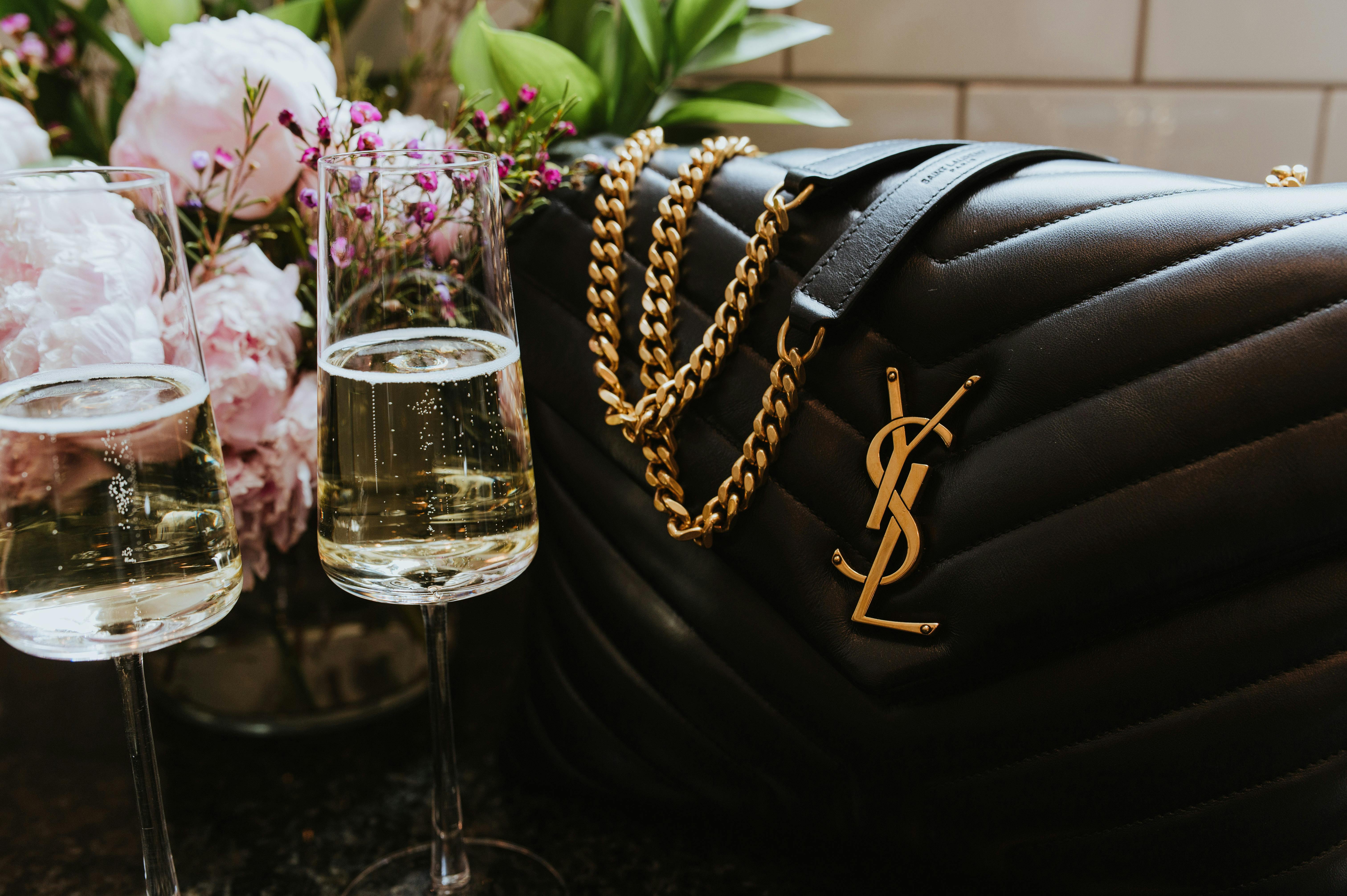
Discover why the pre-owned luxury market is booming in 2026, offering unparalleled investment opportunities and sustainable style. Learn how to buy and sell authenticated designer handbags, vintage watches, and high-value accessories on top luxury resale platforms, maximizing your returns and embracing circular fashion.
Introduction to the Topic
Welcome to 2026, where the definition of luxury has transcended mere acquisition to embrace savvy investment, sustainability, and unparalleled access. The once niche market of pre-owned luxury has exploded, transforming from a treasure hunt for bargain hunters into a sophisticated, multi-billion-dollar industry that rivals primary retail. This isn't just about finding a good deal; it's about smart financial planning, ethical consumption, and curating a wardrobe that appreciates in value. At fashioncoders.com, we've been tracking this seismic shift, and it's clear: pre-owned luxury is no longer an alternative – it's the future of high fashion. Whether you're looking to invest in iconic designer handbags, secure a rare vintage watch, or simply declutter your closet for profit, understanding this dynamic landscape is paramount. Get ready to unlock your closet's hidden potential and join the ranks of informed luxury investors.
Backgrounds & Facts
The luxury resale market has witnessed exponential growth, projected to hit an astounding $60 billion globally by 2027, with 2026 marking a pivotal year in its expansion. This surge is fueled by several powerful trends. Firstly, sustainability is no longer a buzzword but a core consumer value. Shoppers, particularly Gen Z and Millennials, are actively seeking ways to reduce their environmental footprint, making circular fashion a highly attractive option. Buying a pre-owned designer item extends its lifecycle, reducing demand for new production and minimizing waste.
Secondly, financial savviness has become a hallmark of the modern luxury consumer. Iconic pieces from brands like Hermès, Chanel, and Rolex are increasingly viewed as tangible assets, often outperforming traditional investments. The allure of acquiring high-value investment handbags or vintage watches at a more accessible price point, or selling existing pieces to fund new purchases, resonates deeply. Furthermore, the digital transformation of the industry, powered by advanced authentication technologies and user-friendly platforms, has democratized access to authenticated luxury items, breaking down geographical barriers and fostering trust. The stigma once associated with 'second-hand' has completely evaporated, replaced by a sophisticated appreciation for heritage, craftsmanship, and smart consumption.
Expert Opinion / Analysis
“The luxury resale market in 2026 isn't just about affordability; it's about smart asset management and a conscious lifestyle,” states Dr. Anya Sharma, a leading luxury market analyst at Global Fashion Insights. “Consumers are far more educated now. They understand that a Chanel Classic Flap bag or a Rolex Daytona isn't just an accessory; it's a store of value. We’re seeing a significant shift from 'fast fashion' luxury to 'forever fashion' luxury.”
The cornerstone of this market's success lies in robust authentication. While advancements in AI-driven authentication and blockchain for provenance tracking have significantly reduced the risk of counterfeits, vigilance remains key. “Reputation is everything,” emphasizes Sharma. “Platforms investing heavily in human expertise combined with cutting-edge technology are the ones gaining consumer trust. This blend ensures that every pre-owned designer item, from a rare Birkin to a limited-edition sneaker, is genuinely what it claims to be.” Brands themselves are also entering the fray, launching their own certified pre-owned programs, further legitimizing the market and providing a seamless brand experience. This strategic embrace by luxury houses signals a long-term commitment to circularity and an acknowledgment of the resale market's undeniable power.
💰 Best Options in Comparison (VERY IMPORTANT)
Navigating the burgeoning pre-owned luxury market requires choosing the right platform for your needs, whether you're buying a coveted piece or selling a beloved item. Here are some of the top luxury resale platforms dominating in 2026, offering authenticated luxury and unparalleled service:
- The RealReal: A pioneer in luxury consignment, The RealReal offers a vast inventory across categories from designer handbags and fine jewelry to luxury apparel and home goods. Known for its rigorous multi-point authentication process by in-house experts and a white-glove consignment service, making selling incredibly easy.
- Vestiaire Collective: With a strong global presence and a vibrant community, Vestiaire Collective is a go-to for both unique vintage finds and contemporary designer pieces. They emphasize peer-to-peer selling with professional verification and offer a 'Make an Offer' feature, fostering dynamic interaction.
- Fashionphile: Specializing in ultra-luxury handbags, watches, and accessories, Fashionphile is renowned for its direct buyout model, offering instant cash for your items. Their partnership with Neiman Marcus provides added credibility and convenience for sellers.
- Rebag: Focused primarily on handbags, watches, and fine jewelry, Rebag offers immediate, upfront cash offers for your luxury items, streamlining the selling process. They boast a comprehensive authentication process and a continually refreshed inventory for buyers seeking quick access to high-value pieces.
To help you decide, here's a comparison of these leading luxury resale platforms:
| Platform | Seller Commission/Fees | Authentication Process | Product Categories | Key Differentiator |
|---|---|---|---|---|
| The RealReal | Tiered, 15-60% (varies by item value/category) | Multi-point expert inspection (in-house gemologists, horologists, brand experts) | Apparel, handbags, jewelry, watches, home goods, art | Broadest inventory, white-glove consignment service |
| Vestiaire Collective | Flat selling fee + variable commission (approx. 12-25%) | Manual expert check + optional physical verification on high-value items | Apparel, handbags, shoes, accessories, jewelry, watches | Global community, peer-to-peer model with expert verification |
| Fashionphile | No seller fees for direct buyout; consignment fees apply | Specialized in-house authentication team for ultra-luxury items | Handbags, watches, fine jewelry, accessories (Hermès, Chanel, Louis Vuitton focus) | Instant cash offers (buyout), strong focus on high-value accessories |
| Rebag | No seller fees for direct buyout | Proprietary Clair AI technology + human authentication experts | Handbags, watches, fine jewelry | Fastest way to sell (instant offers), transparent pricing tool |
Outlook & Trends
Looking ahead to the rest of 2026 and beyond, the pre-owned luxury market is poised for even greater innovation and integration. We anticipate a surge in brand-owned resale initiatives, where luxury houses like Gucci, Burberry, and Stella McCartney will increasingly manage their own circular ecosystems, offering certified pre-owned items directly to consumers. This not only reinforces brand loyalty but also guarantees authenticity and quality, further blurring the lines between new and pre-owned.
Technological advancements will continue to play a crucial role. AI and machine learning will become even more sophisticated in identifying fakes and predicting market values, making luxury investment pieces even more secure. Blockchain technology will gain widespread adoption for creating immutable digital passports for luxury items, tracing their entire lifecycle and ensuring provenance. We'll also see greater synergy with the metaverse, with digital twins of physical luxury goods becoming tradable assets, further integrating physical and virtual fashion economies. Finally, the rental luxury market will continue its upward trajectory, offering a sustainable alternative to ownership for special occasions, complementing the long-term investment strategy of buying pre-owned.
Conclusion
The pre-owned luxury market in 2026 is far more than a trend; it's a fundamental shift in how we perceive, acquire, and value high fashion. It empowers consumers to make sustainable choices, access aspirational brands, and engage in smart luxury investment. By embracing circular fashion, you're not just buying a bag or a watch; you're investing in a legacy, contributing to a greener future, and potentially earning a significant return. Explore the authenticated luxury platforms we've highlighted, understand their unique offerings, and unlock the immense potential within your own closet. The future of luxury is circular, smart, and incredibly rewarding.