
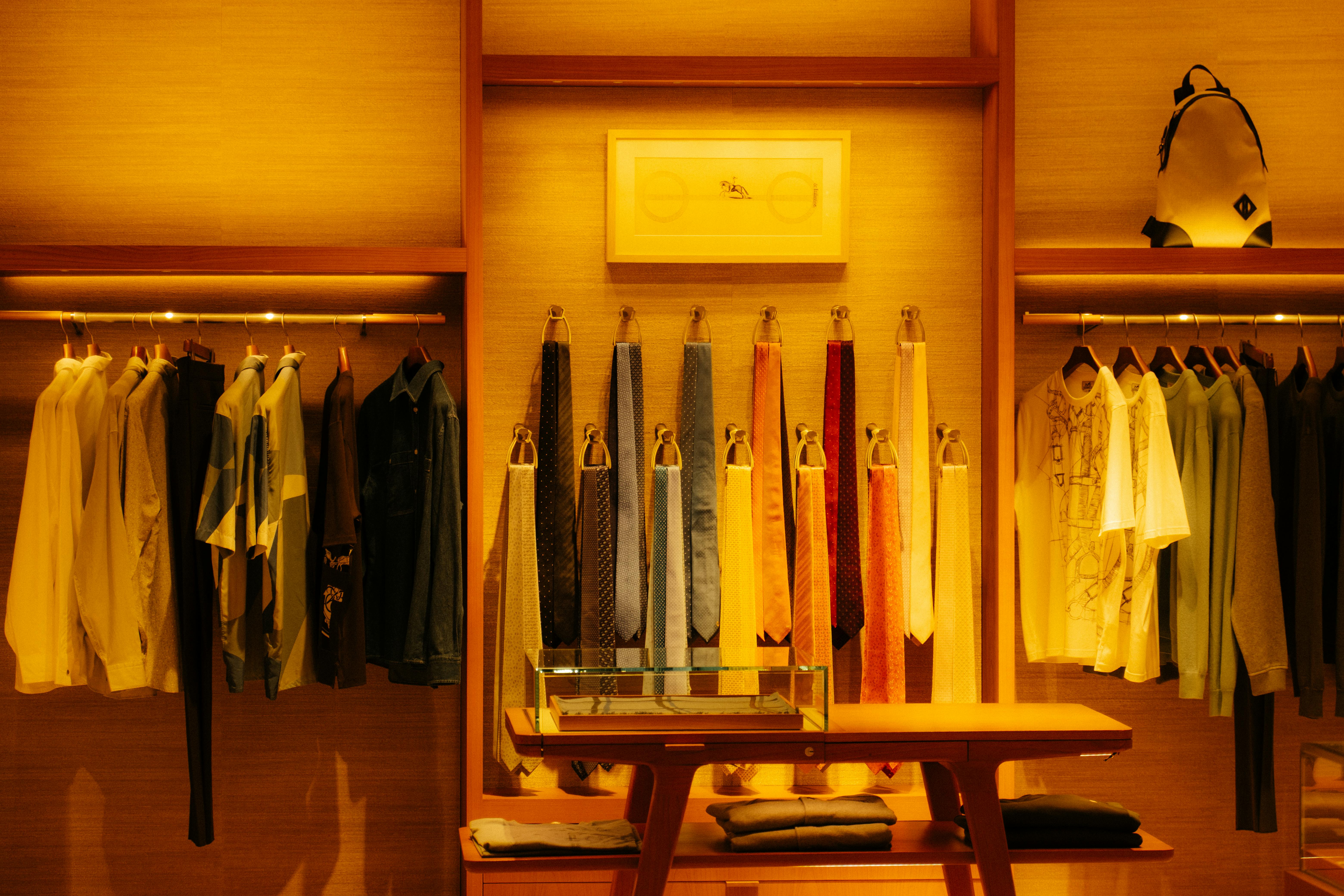
In 2026, the luxury fashion landscape is defined by individuality. Discover how hyper-personalization and bespoke services are not just trends, but essential investments in unique style, sustainable choices, and unparalleled exclusivity. Explore top brands, compare bespoke options, and learn how to secure your truly one-of-a-kind luxury pieces.
Introduction to the Topic
Welcome to 2026, where the true hallmark of luxury isn't just about the label, but about the story, the craftsmanship, and most importantly, the individuality. The era of mass-produced luxury, even at its highest echelon, is rapidly giving way to a new paradigm: hyper-personalization and bespoke experiences. This isn't merely about adding your initials to a handbag; it's about co-creating, tailoring, and owning pieces that are uniquely, unequivocally yours. As discerning consumers seek deeper connections with their purchases and a rejection of fleeting trends, the demand for custom-made, perfectly fitted, and personally designed luxury items has exploded, reshaping the industry from haute couture ateliers to cutting-edge digital platforms. This article will guide you through the burgeoning world of bespoke luxury, highlighting why it’s not just a passing fancy but a strategic investment in your personal brand and a more sustainable future for high fashion.
Backgrounds & Facts
The concept of bespoke — meaning 'to be spoken for' — harks back centuries, rooted in traditional tailoring and shoemaking where an item was crafted precisely to a client's specifications. While haute couture has always offered a level of bespoke artistry, its accessibility remained extremely limited. Fast forward to 2026, and technological advancements coupled with evolving consumer values have democratized, yet simultaneously elevated, the bespoke experience. Artificial intelligence (AI) and advanced 3D scanning technologies now allow for unprecedented precision in fit and design, streamlining processes that once took months of fittings. Brands are leveraging data analytics to understand individual preferences at a granular level, moving beyond simple monogramming to offer comprehensive design consultations and material selections previously reserved for the ultra-elite.
This shift is also fueled by a growing conscious consumer base. Bespoke and made-to-order models inherently reduce waste by producing only what is purchased, aligning perfectly with the luxury sector's increasing focus on sustainability. Furthermore, in an increasingly digital and interconnected world, owning something truly unique has become the ultimate status symbol, a quiet rebellion against the homogenization of style. Market reports indicate a significant year-on-year growth in the personalized luxury goods segment, with analysts projecting it to outpace general luxury market growth by a considerable margin through the end of the decade. From custom-blended fragrances to intricately tailored garments and unique jewelry commissions, the pursuit of individuality is driving innovation and investment across the entire luxury ecosystem.
Expert Opinion / Analysis
“The luxury consumer of 2026 isn't just buying a product; they're investing in an identity, a narrative, and an experience,” states Dr. Elara Vance, a leading luxury brand strategist and author of 'The Bespoke Economy.' “The psychological draw of bespoke is profound. It’s about empowerment – the client becomes a co-creator, not just a recipient. This fosters unparalleled brand loyalty and a sense of ownership that off-the-rack items, no matter how exclusive, simply cannot replicate.” Dr. Vance emphasizes that brands not embracing this trend risk becoming obsolete. “The real value isn't just in the finished garment or accessory, but in the journey of its creation – the consultations, the material selection, the fittings. This entire process is a luxury service in itself, justifying premium price points and fostering deep emotional connections.”
From an economic standpoint, bespoke and hyper-personalized offerings represent a significant opportunity for luxury houses. They command higher profit margins, reduce inventory risk, and provide invaluable insights into consumer preferences, which can then inform future collections. Brands are adapting by establishing dedicated bespoke ateliers, investing in advanced digital tools for virtual design and fitting, and training highly skilled artisans and client advisors. This strategic pivot ensures that while technology enhances efficiency, the human touch and artisanal craftsmanship – the very soul of luxury – remain at the forefront. The future of luxury, according to Dr. Vance, is not just about what you own, but how it came to be, making the bespoke journey the ultimate expression of modern affluence and discerning taste.
💰 Best Options in Comparison (VERY IMPORTANT)
Navigating the world of bespoke and personalized luxury can be an exhilarating journey. Whether you're seeking a perfectly tailored suit, a one-of-a-kind handbag, or an exclusive jewelry piece, 2026 offers an unprecedented array of options. Here's a comparison of leading avenues for securing your unique luxury investments:
-
Traditional Bespoke Tailoring & Couture Houses
The pinnacle of personalized luxury, offering unparalleled fit and craftsmanship. Brands like Savile Row tailors (e.g., Huntsman, Gieves & Hawkes), Cifonelli (Paris), and select Haute Couture houses (e.g., Chanel, Dior, Schiaparelli) provide a truly unique, made-from-scratch experience. Expect multiple fittings, extensive fabric choices, and a garment designed exclusively for your body and style preferences. This is an investment in legacy and artistry.
-
Luxury Brand Personalization Programs
Many iconic luxury brands now offer sophisticated personalization beyond simple monograms. Think Louis Vuitton's 'Mon Monogram' extended to custom colorways and unique motifs, Hermès' special order bags (HSS) with bespoke leather and hardware combinations, or Gucci's 'DIY' (Do It Yourself) service for select items. These programs allow clients to inject their personality into established designs, creating a piece that feels both iconic and personal. This often involves in-boutique consultations with design specialists.
-
Made-to-Order & Custom Footwear/Jewelry
Beyond apparel, bespoke extends to accessories. High-end shoemakers like John Lobb or Berluti offer custom lasts for shoes that fit like a second skin. For jewelry, houses like Cartier's 'Special Orders' or independent master jewelers can transform a concept into a wearable masterpiece, sourcing specific gemstones and crafting unique settings. These are often considered heirloom pieces, designed to last generations.
-
AI-Enhanced & Digital Bespoke Services
Emerging in 2026 are innovative digital platforms and services leveraging AI to offer personalized design. Companies like 'Stylum AI' offer virtual styling and garment design based on your body scan and aesthetic preferences, connecting you with ateliers capable of bringing the digital design to life. While still evolving, this offers a more accessible entry point to bespoke, often with faster turnaround times for specific items like custom shirts or dresses.
To help you compare and choose, here's a detailed table outlining key aspects of these premier luxury personalization options:
| Option Type | Key Examples | Customization Level | Typical Price Range (USD) | Lead Time | Booking Process |
|---|---|---|---|---|---|
| Traditional Bespoke Tailoring & Couture | Huntsman, Cifonelli, Chanel Haute Couture | Full garment/item designed & crafted from scratch to precise measurements. | $10,000 - $100,000+ | 3-12 months (multiple fittings) | Private appointment, extensive consultations. |
| Luxury Brand Personalization Programs | Hermès HSS, Louis Vuitton Mon Monogram, Gucci DIY | Customization of existing iconic designs (materials, colors, hardware, motifs). | $3,000 - $50,000+ | 2-6 months | In-boutique consultation, online configurators. |
| Made-to-Order & Custom Footwear/Jewelry | John Lobb Bespoke, Cartier Special Orders, Independent Jewelers | Custom lasts for shoes, unique designs for jewelry, specific gemstone sourcing. | $5,000 - $200,000+ | 4-18 months | Studio appointments, design briefings, material selection. |
| AI-Enhanced & Digital Bespoke Services | Stylum AI (fictional example), select online custom tailors | Virtual design, 3D body scanning for fit, digital material previews. | $500 - $5,000+ | 2-8 weeks | Online platform, virtual consultations, at-home scanning. |
Outlook & Trends
The future of hyper-personalization in luxury fashion is poised for even greater innovation and integration. By 2026 and beyond, expect AI to become an even more sophisticated personal stylist, capable of not just recommending but designing entire wardrobes based on your lifestyle, climate, and personal aesthetic – even predicting future trends that align with your taste. Virtual reality (VR) and augmented reality (AR) will revolutionize the fitting process, allowing clients to 'try on' bespoke garments digitally before a single stitch is made, enhancing precision and reducing travel time. The convergence of physical and digital bespoke will also accelerate, with luxury brands potentially offering 'digital twins' of physical bespoke items as NFTs, enabling owners to showcase their unique pieces in the metaverse.
Furthermore, the sustainability aspect will continue to drive demand. As consumers become more environmentally conscious, the appeal of a long-lasting, perfectly crafted, and ethically produced bespoke item will only grow. This 'slow fashion' approach, where quality trumps quantity, aligns perfectly with luxury's core values. We'll also see bespoke services extend into new categories – from personalized luxury travel accessories to custom interior design elements for yachts and private residences. The ultimate trend is not just about owning something unique, but about participating in its creation, making the bespoke journey itself an integral part of the luxury experience.
Conclusion
In 2026, the pursuit of individual expression has elevated bespoke and hyper-personalized luxury from an exclusive niche to a defining force in high fashion. These services represent more than just custom products; they are investments in unparalleled quality, sustainable practices, and a unique personal narrative. Whether you're commissioning a heritage tailor for a suit that fits like a second skin, designing a one-of-a-kind accessory with an iconic brand, or exploring the frontiers of AI-driven fashion, the options for truly owning your style are richer than ever. Embrace the bespoke revolution – it’s not just about what you wear, but the distinct story behind it, making every piece a timeless reflection of you.