
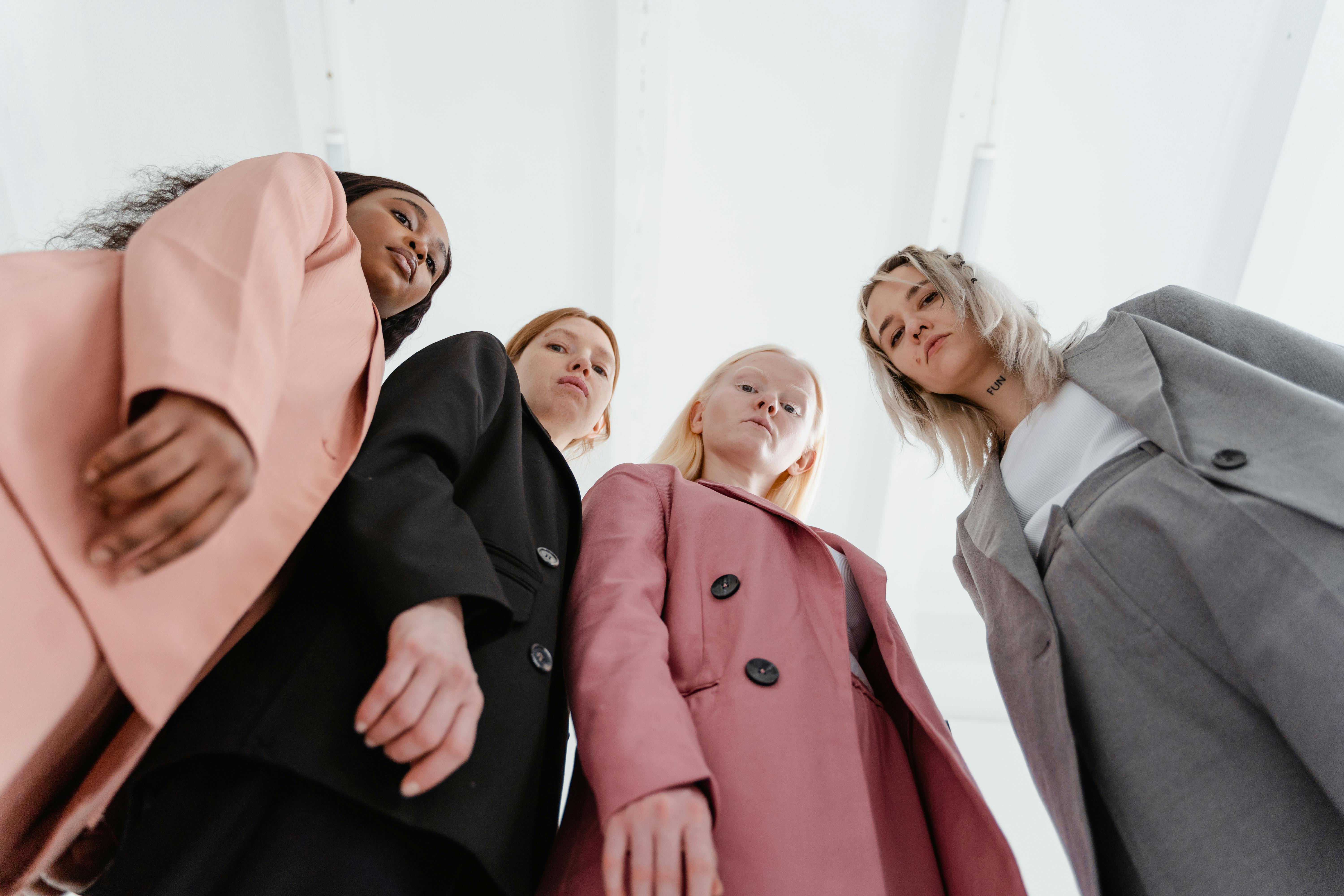
Discover the future of elegance with our deep dive into sustainable luxury fashion for 2026. Explore top ethical brands, innovative materials, and smart investment pieces that fuse unparalleled style with conscious consumerism. Your guide to an eco-chic wardrobe begins here.
Introduction to the Topic
Welcome to 2026, where the runway meets responsibility, and opulence intertwines with ethics. The fashion landscape has undergone a seismic shift, and at its very core lies the burgeoning trend of sustainable luxury fashion. No longer a niche concept, eco-chic has ascended to the pinnacle of high fashion, redefining what it means to dress exquisitely. For the discerning woman, building a wardrobe in 2026 isn't just about acquiring beautiful garments; it's about making conscious choices that reflect personal values, environmental stewardship, and a commitment to quality that transcends fleeting trends. This isn't merely a trend; it's a movement, an investment in timeless style and a healthier planet.
Our comprehensive guide will navigate you through the intricate world of sustainable luxury, highlighting why 2026 is the year to elevate your style with purpose. We'll explore groundbreaking innovations, spotlight the brands leading the charge, and provide actionable insights for curating a wardrobe that is both breathtakingly beautiful and profoundly ethical. Prepare to transform your approach to fashion, investing in pieces that tell a story of craftsmanship, innovation, and unwavering integrity.
Backgrounds & Facts
The journey from 'fast fashion' guilt to 'slow luxury' pride has been remarkable. For years, sustainability in fashion often conjured images of hemp and muted tones, a stark contrast to the vibrant, dynamic world of high fashion. However, thanks to increasing consumer awareness, technological advancements, and a new generation of visionary designers, sustainable luxury has emerged as a dominant force. By 2026, market analysts estimate that the global sustainable fashion market will exceed $150 billion, with luxury segments experiencing accelerated growth. Consumers are not just asking for transparency; they are demanding it, and they are willing to pay a premium for it.
Key drivers behind this revolution include:
- Material Innovation: From lab-grown silks and vegan leathers derived from mushrooms and fruit waste, to advanced recycling technologies transforming ocean plastic into haute couture fabrics, material science is at the forefront. Bio-engineered textiles that mimic natural fibers while minimizing environmental impact are becoming standard in high-end collections.
- Supply Chain Transparency: Blockchain technology is increasingly utilized to track garments from raw material to final product, offering consumers unprecedented insight into ethical sourcing, fair labor practices, and environmental impact.
- Circular Economy Models: Luxury brands are embracing repair services, resale platforms, and rental programs, moving away from linear consumption and towards a regenerative system where products are designed for longevity and eventual recycling or upcycling.
- Shifting Consumer Values: Gen Z and Millennial luxury buyers prioritize purpose alongside prestige. They seek authenticity, social responsibility, and environmental consciousness from the brands they support.
These factors have collectively paved the way for a new era where luxury and sustainability are not mutually exclusive but intrinsically linked, promising a future of fashion that is as responsible as it is ravishing.
Expert Opinion / Analysis
Speaking with Dr. Anya Sharma, a leading fashion futurist and sustainability consultant, she emphasizes, "In 2026, sustainable luxury isn't just about using organic cotton; it's about a holistic ecosystem. Brands are being judged on their entire lifecycle impact – from regenerative agriculture practices for natural fibers to closed-loop manufacturing and end-of-life solutions. The savvy consumer is looking for certifications like GOTS, Fair Trade, and the nascent 'Circular Luxury Index' which assesses a brand's commitment to circularity."
Renowned designer and advocate for ethical fashion, Elara Vance, adds, "The greatest challenge, and opportunity, for luxury houses lies in authentic storytelling. It's not enough to say you're sustainable; you must demonstrate it. Consumers are educated; they can spot 'greenwashing' miles away. The brands succeeding are those embedding sustainability into their core DNA, collaborating with artisans, investing in local communities, and innovating with materials that push boundaries without harming the planet. This commitment builds trust and loyalty, turning a purchase into a powerful statement."
The consensus among experts is clear: the future of luxury fashion is inherently sustainable. This means investing in timeless, high-quality pieces designed to last, supporting brands with transparent practices, and actively participating in circular fashion models. It's about buying less, choosing well, and making those choices resonate with your values.
💰 Best Options in Comparison (VERY IMPORTANT)
Navigating the sustainable luxury market can be daunting, but we've curated a selection of the best options for the discerning fashionista in 2026. These brands and services represent the pinnacle of ethical elegance, offering investment pieces that promise longevity, style, and a clear conscience.
- The "Heritage Reimagined" Brand: Aetheria Atelier
Known for: Exquisite tailoring, bio-engineered silk gowns, and upcycled haute couture. Aetheria Atelier champions traditional craftsmanship fused with cutting-edge sustainable materials. Their signature "Everlasting" collection features pieces designed for repair and refurbishment, extending their lifecycle indefinitely. Invest in their iconic tailored blazers or evening wear for unparalleled elegance. - The "Innovative Material" Powerhouse: TerraLux Designs
Known for: Pioneering vegan leather alternatives (e.g., mycelium and cactus leather) and advanced recycled ocean plastic fabrics. TerraLux offers stunning handbags, footwear, and accessories that are both cruelty-free and environmentally conscious. Their "OceanBloom" tote is a must-have statement piece, blending high fashion with a powerful ecological message. - The "Circular Luxury" Platform: ReWear Luxe Collective
Known for: Curated pre-owned luxury fashion and high-end rental services. ReWear Luxe Collective provides access to coveted designer pieces from brands like Chanel, Hermès, and Gucci, all authenticated and meticulously reconditioned. It's the ultimate destination for sustainable luxury acquisition or experimentation without the full commitment. Their personal styling service helps you integrate pre-loved gems into your existing wardrobe. - The "Bespoke & Ethical" Stylist Service: EcoChic Personal Styling
Known for: Connecting clients with sustainable designers, personal shopping for ethical brands, and wardrobe auditing with a focus on longevity and impact. EcoChic Personal Styling offers bespoke services to help you build a truly unique, sustainable luxury wardrobe tailored to your individual style and values. Book a consultation to transform your fashion journey.
Here's a detailed comparison to help you make informed decisions:
| Option | Key Sustainability Focus | Price Range | Signature Items / Services | Unique Selling Proposition | Where to Buy / Book |
|---|---|---|---|---|---|
| Aetheria Atelier | Bio-engineered silks, upcycled materials, artisan collaboration, circular design. | $$ (High-end Luxury) | Tailored blazers, evening gowns, "Everlasting" collection. | Fusion of traditional craftsmanship with cutting-edge sustainable science. | aetheriaatelier.com, Flagship Boutiques |
| TerraLux Designs | Vegan leather alternatives (mycelium, cactus), recycled ocean plastic fabrics, cruelty-free. | $$ (Premium Luxury) | Handbags, footwear, "OceanBloom" tote, accessories. | Innovation in ethical, animal-free materials without compromising on luxury aesthetics. | terraluxdesigns.com, Select Department Stores |
| ReWear Luxe Collective | Promotes circularity through resale and rental, extends product lifecycle. | $ to $$ (Varies by item/service) | Authenticated pre-owned designer bags, clothing, rental services, personal styling. | Access to high-end luxury sustainably, fostering a circular fashion economy. | rewearluxe.com |
| EcoChic Personal Styling | Personalized guidance for sustainable fashion, wardrobe auditing, ethical brand sourcing. | $$ (Service Fees) | Bespoke styling sessions, sustainable shopping guides, wardrobe detox. | Tailored expertise to build a truly personal and impactful sustainable luxury wardrobe. | ecochicstyling.com (Book Consultation) |
Outlook & Trends
The trajectory of sustainable luxury fashion in 2026 and beyond is set for exponential growth and innovation. We anticipate several key trends shaping its future:
- Hyper-Personalization via AI: AI will not only optimize supply chains but also offer hyper-personalized sustainable recommendations, matching individual style preferences with ethical production methods and material choices. Imagine an AI stylist that curates a wardrobe based on your aesthetic, body type, and preferred carbon footprint.
- Blockchain for Authenticity and Impact Tracking: The use of blockchain will become ubiquitous, not just for supply chain transparency but also for verifying the authenticity of luxury resale items and tracking the environmental and social impact data of each garment throughout its entire lifecycle.
- Bio-Engineered & Regenerative Materials at Scale: Expect to see a wider adoption of truly regenerative materials that not only minimize harm but actively improve ecosystems. Think fabrics grown from algae that purify water, or textiles that sequester carbon.
- Luxury as a Service (LaaS): The concept of "ownership" will continue to evolve. Luxury rental and subscription models will expand, offering access to high-value items for special occasions or seasonal rotations, further reducing consumption and promoting circularity. Repair, refurbishment, and upcycling services will become integral, high-value offerings from luxury brands themselves.
- Investment in Artisanal Craftsmanship & Local Economies: Brands will increasingly invest in preserving traditional crafts and supporting local communities, emphasizing the human element behind luxury production and ensuring fair wages and ethical working conditions.
These trends signal a future where luxury fashion is deeply intertwined with technological advancement, environmental responsibility, and social equity, creating a powerful and positive impact.
Conclusion
In 2026, the choice to embrace sustainable luxury is more than a fashion statement; it's a declaration of values, a commitment to a better future, and an investment in enduring style. The industry has evolved dramatically, offering an abundance of exquisite, ethically produced options that cater to every aesthetic and need. From pioneering brands crafting garments from innovative, earth-kind materials to platforms facilitating the circular economy through resale and rental, the opportunities to curate a truly conscious and chic wardrobe are limitless.
As you refresh your wardrobe or seek those coveted investment pieces, remember to prioritize transparency, quality, and the story behind the garment. By choosing sustainable luxury, you're not just buying a dress or a handbag; you're investing in craftsmanship, innovation, and a movement that champions both unparalleled beauty and profound responsibility. Join us in celebrating this exciting era of fashion, where elegance and ethics walk hand-in-hand, creating a legacy of style that truly matters.